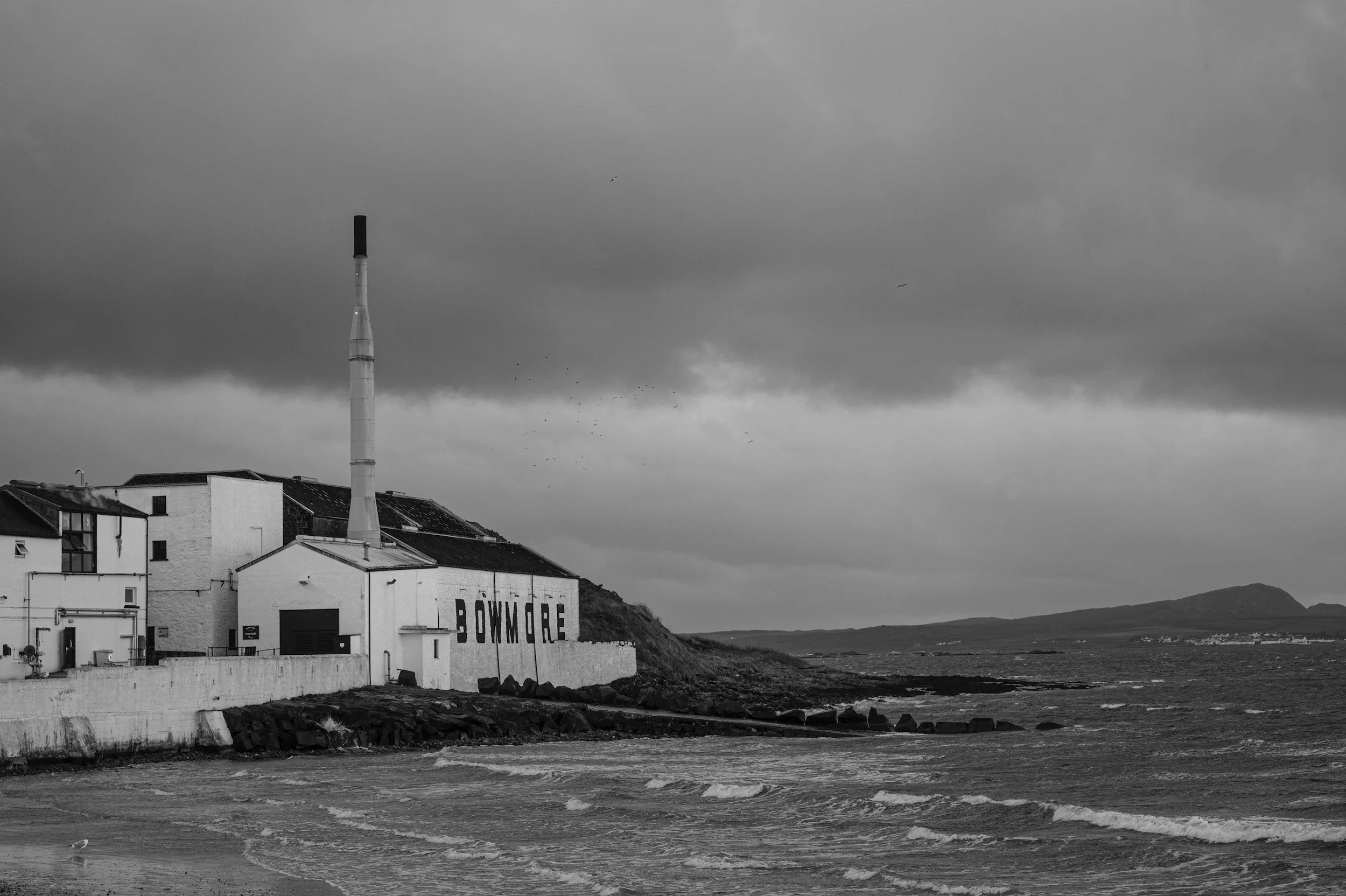
The Science of Whisky
—written by Pratyusha Attaluri
“Whisky is history in a glass,” says Dr. Bryan Koivisto, Associate Professor of Chemistry and Biology at Toronto Metropolitan University.

Dr. Koivsto relates scotch whisky to time, a sentiment shared by fellow whisky expert David Wolff, owner of Toronto’s premiere Scottish whisky bar, The Caledonian. Wolff enjoys aged whisky while listening to music produced in the drink’s bottling year, a journey through time that also takes him to the beautiful landscape of Scotland where single malt scotch whisky originates.
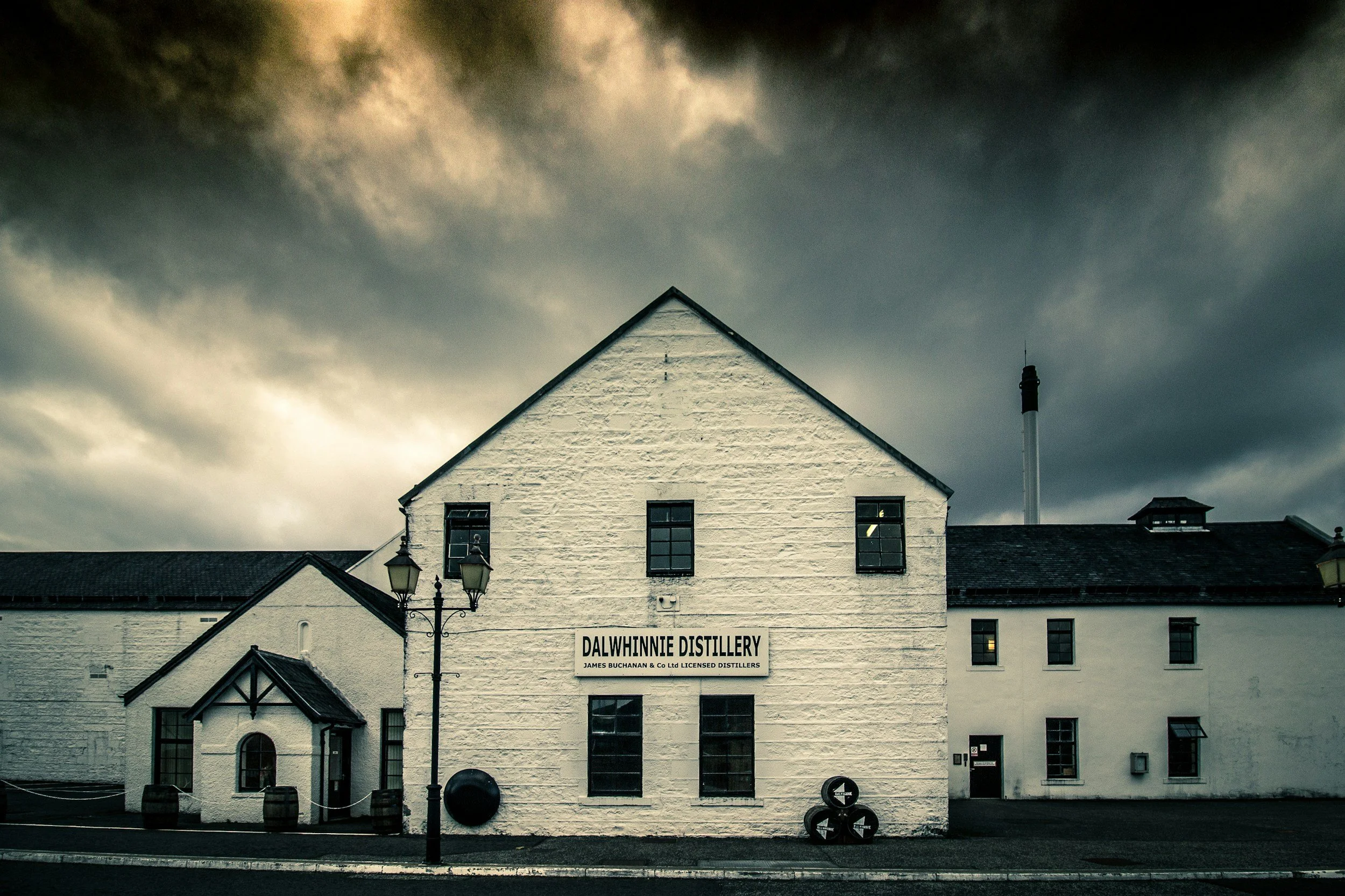
Great Britain is very strict when it comes to the production and sale of whisky. According to the Scotch Malt Whisky Act, a single malt scotch whisky can only be called that if it comes from a single distillery in Scotland, made with malted barley and aged at a minimum for three years in an oak cask. There are five prime locations in Scotland where premium single-malt whisky is produced: Speyside, Islay, Highland, Campbeltown and Lowland. Whisky flavours are shaped by the geographic locations of their distillery.
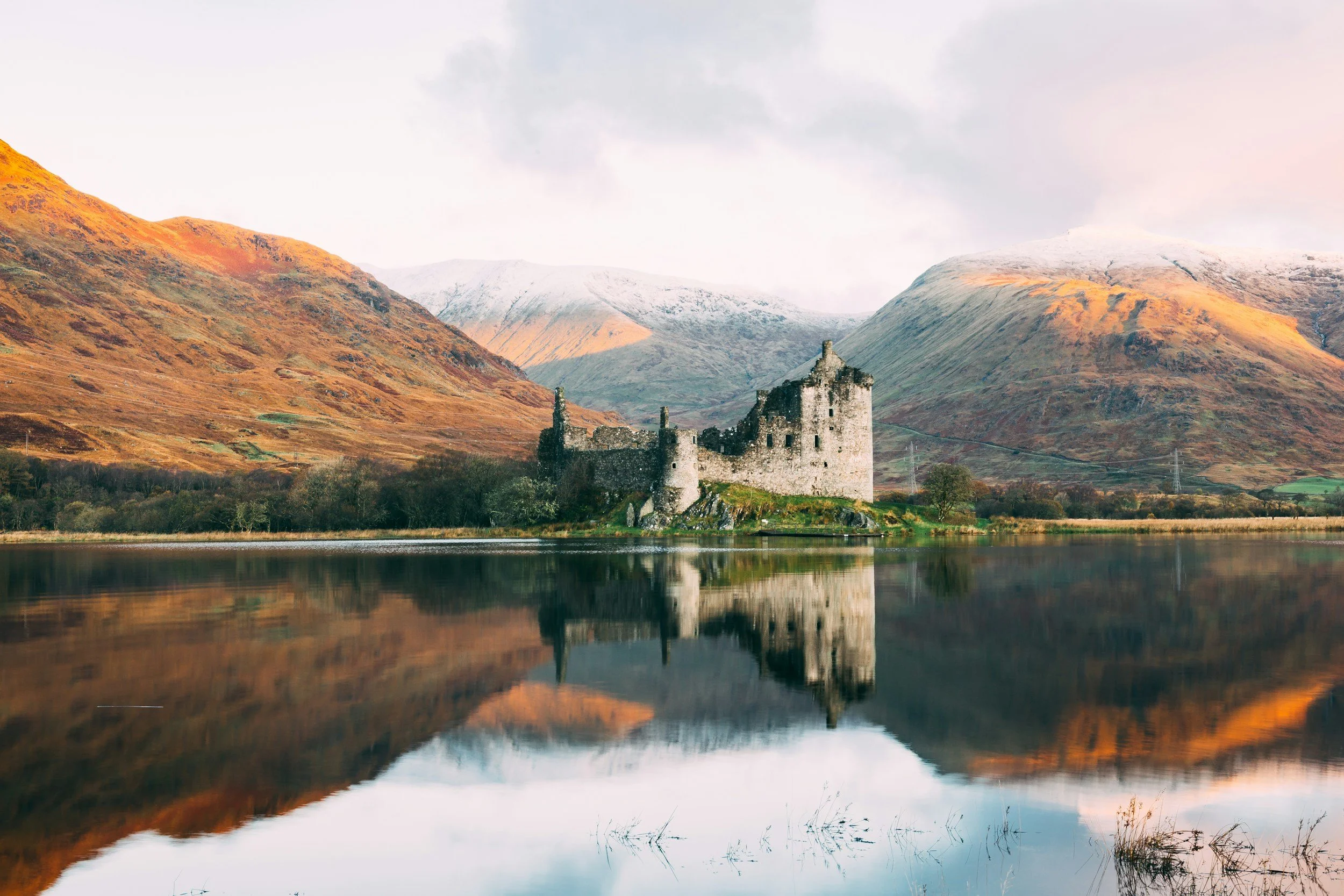
Whisky is a distilled alcoholic beverage made from fermented grain mash aged over several years in wooden casks. The elegance and beauty of whisky is in its preparation. Everything from the kind of grain used to how it is fermented and the type of wooden casks used for maturation all contribute to the distinct differences that separate top-notch whiskies from others.
The Art of the Malt
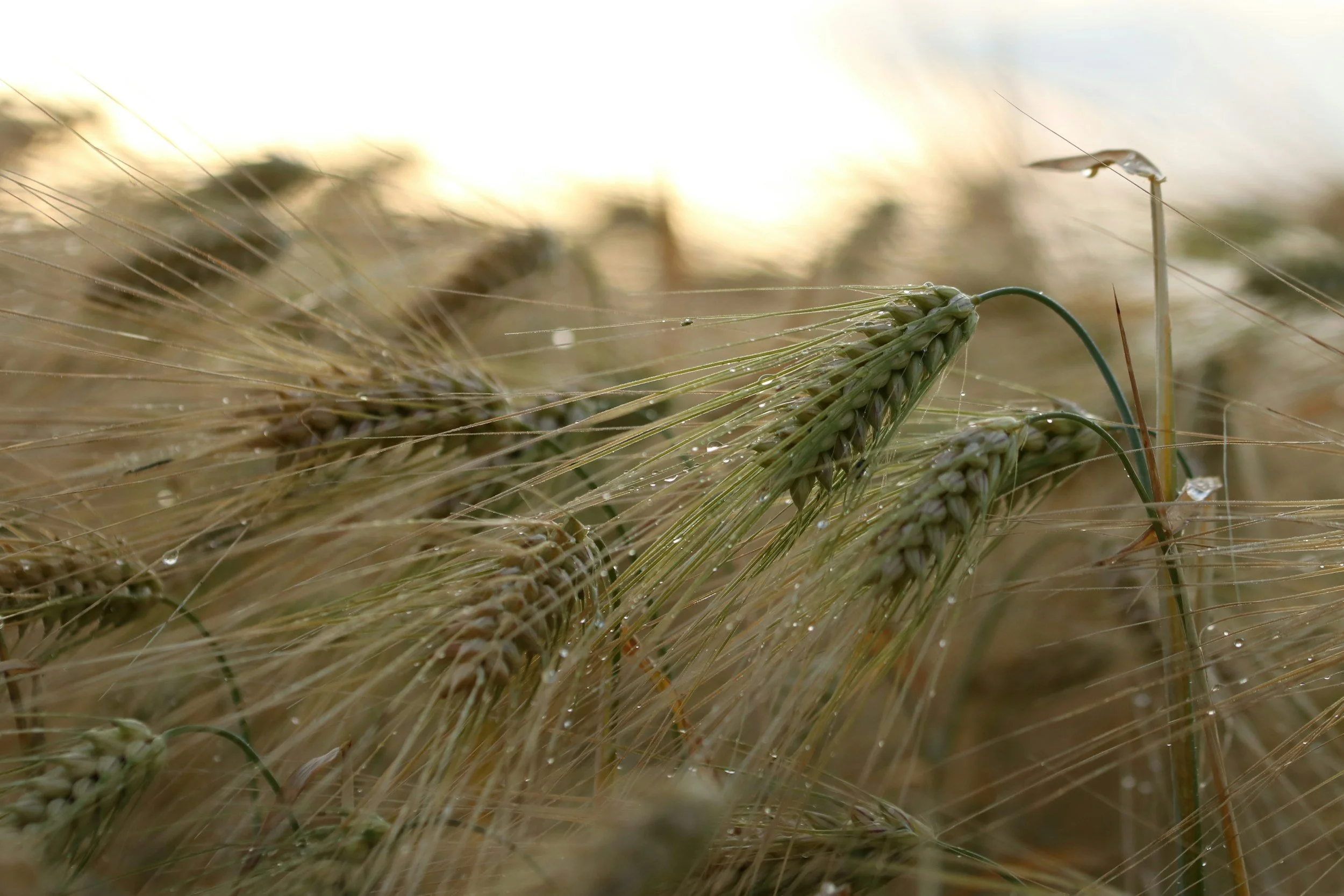
“The magic ingredients for making whisky are water, barley and
yeast,” explains Wolff.
Barley, a cereal grain first cultivated approximately 10,000 years ago, has low gluten content–a desirable quality for making whisky as it won’t leave a thick gum-like residue when mixed with water. Malting is the first step for making any malt-based beverage, a process by which grains are induced to sprout, or germinate, in a moist environment and then dried out. For whisky, barley grains are steeped in water for over a day and then spread out on a large area called a malting floor. Water softens the outer coat of the barley seed, activating the production of an enzyme called amylase that converts starch into sugar inside the endosperm. This sugar will be used as food for the embryo to develop a tender root and a shoot over four to six days. At this stage, barley is called green malt.
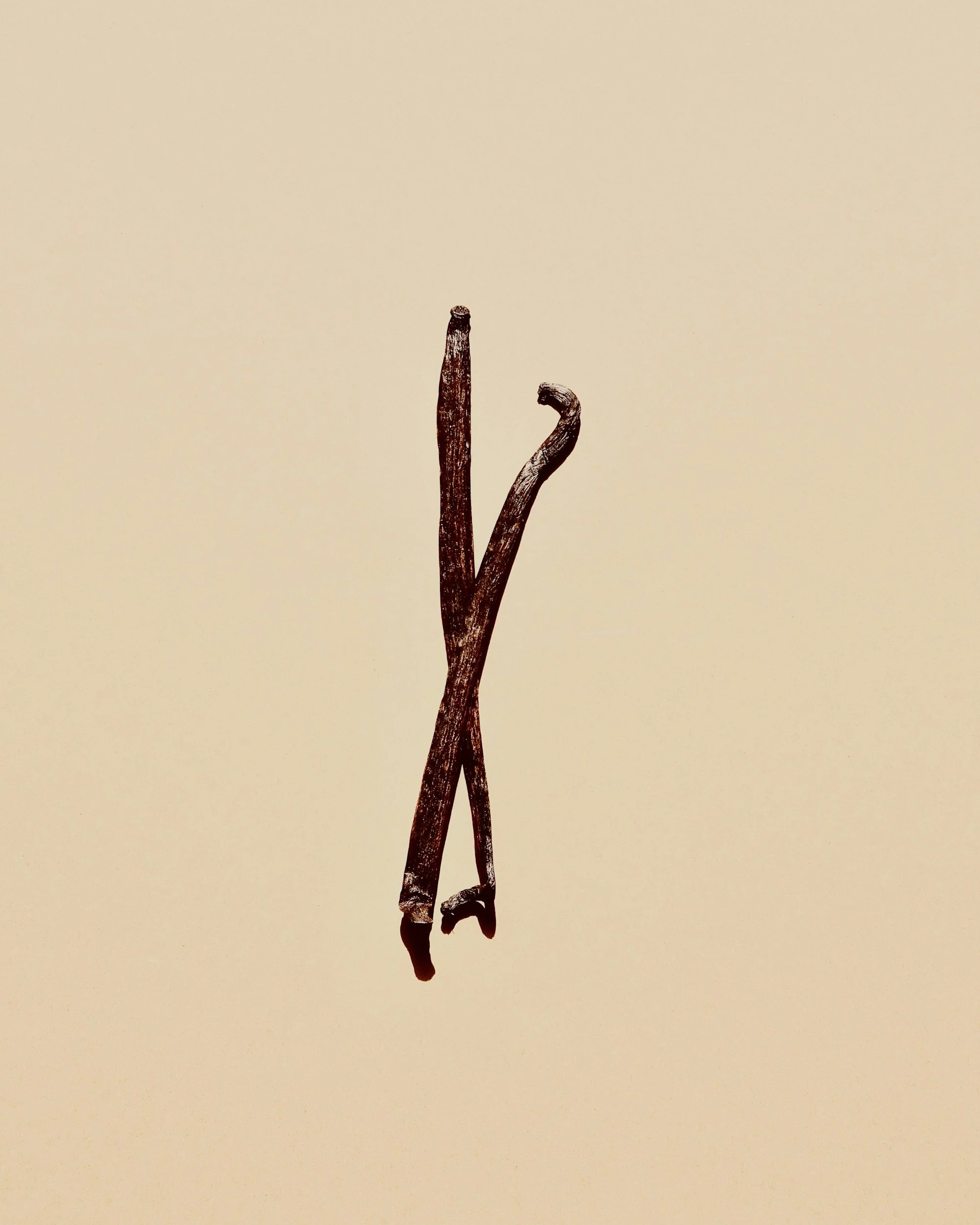
Phenols are organic compounds commonly found in nature. Many essential oils and aromatic flavouring agents, such as vanilla extract, are phenols. One way of scoring whisky quality is by measuring the level of phenol in it. “The key score of a good quality scotch falls between 40-55 PPM (phenol parts per million). The higher the score, the better the quality,” says Mr. Wolff, a global judge for the World Whisky Awards.
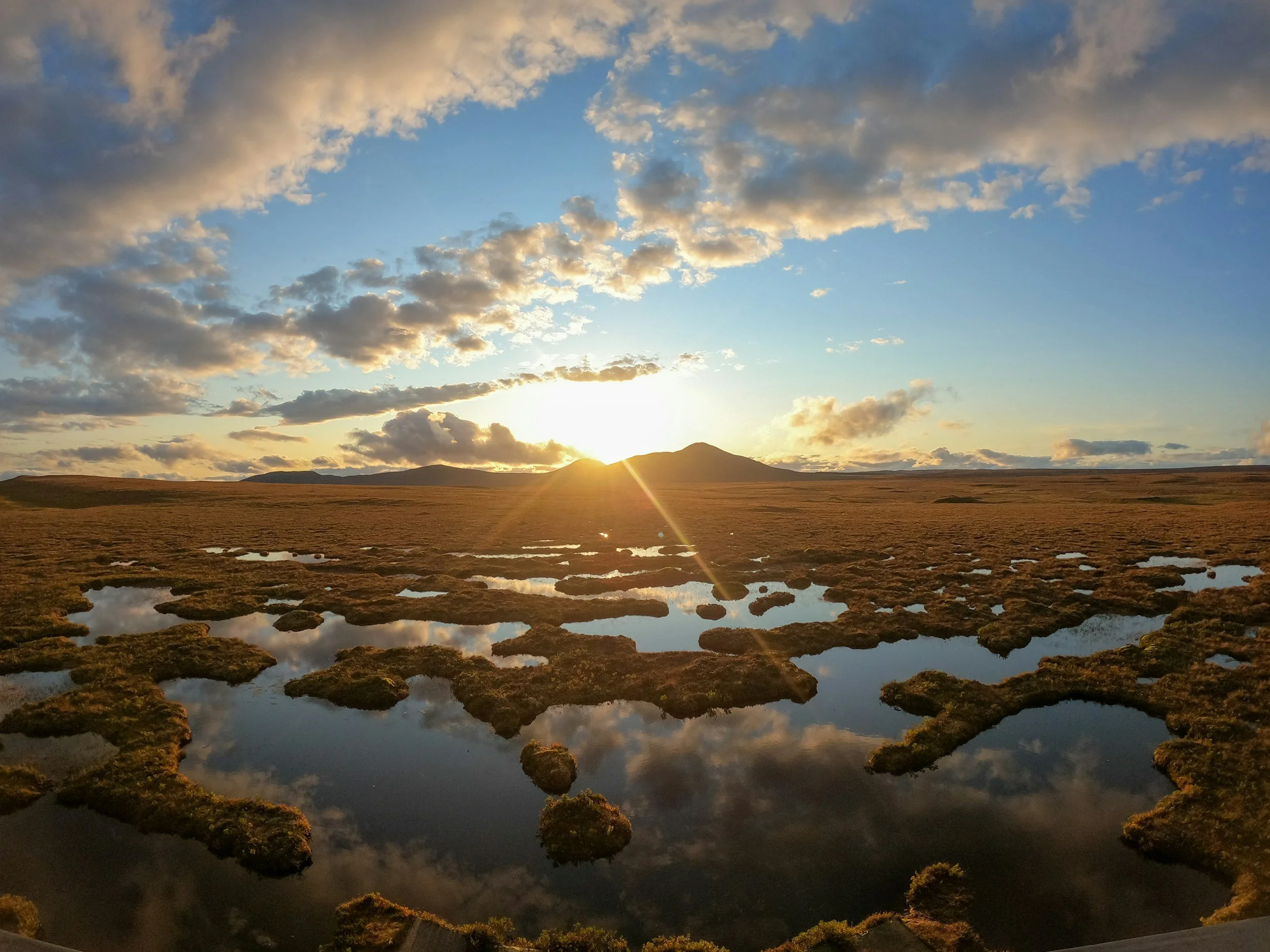
Sugar is the main ingredient for alcohol so the developing plant can’t use it all up. To prevent this, green malt is dried in a kiln to bring enzymes to a suspended state. Peat, an organic fuel consisting of partially decomposed organic matter, is often used to power the kilns in the malting process. Burning peat produces phenols, which get absorbed into the barley grains, giving them a characteristic smoky flavour. But not all distilleries use peat to dry the green malt. Traditionally, hot air is used in the lowlands of Scotland to dry malted barley, producing whisky without the smoky taste.
Fermentation and Distillation
With malting complete, barley is ground into a coarse flour called grist. This grist is then mixed in hot water, dissolving the sugars and creating a sweet liquid called the worth. The addition of yeast introduces enzymes that break down sugars in the absence of oxygen to produce alcohol. This fermentation converts worth to wash, ready to be distilled.
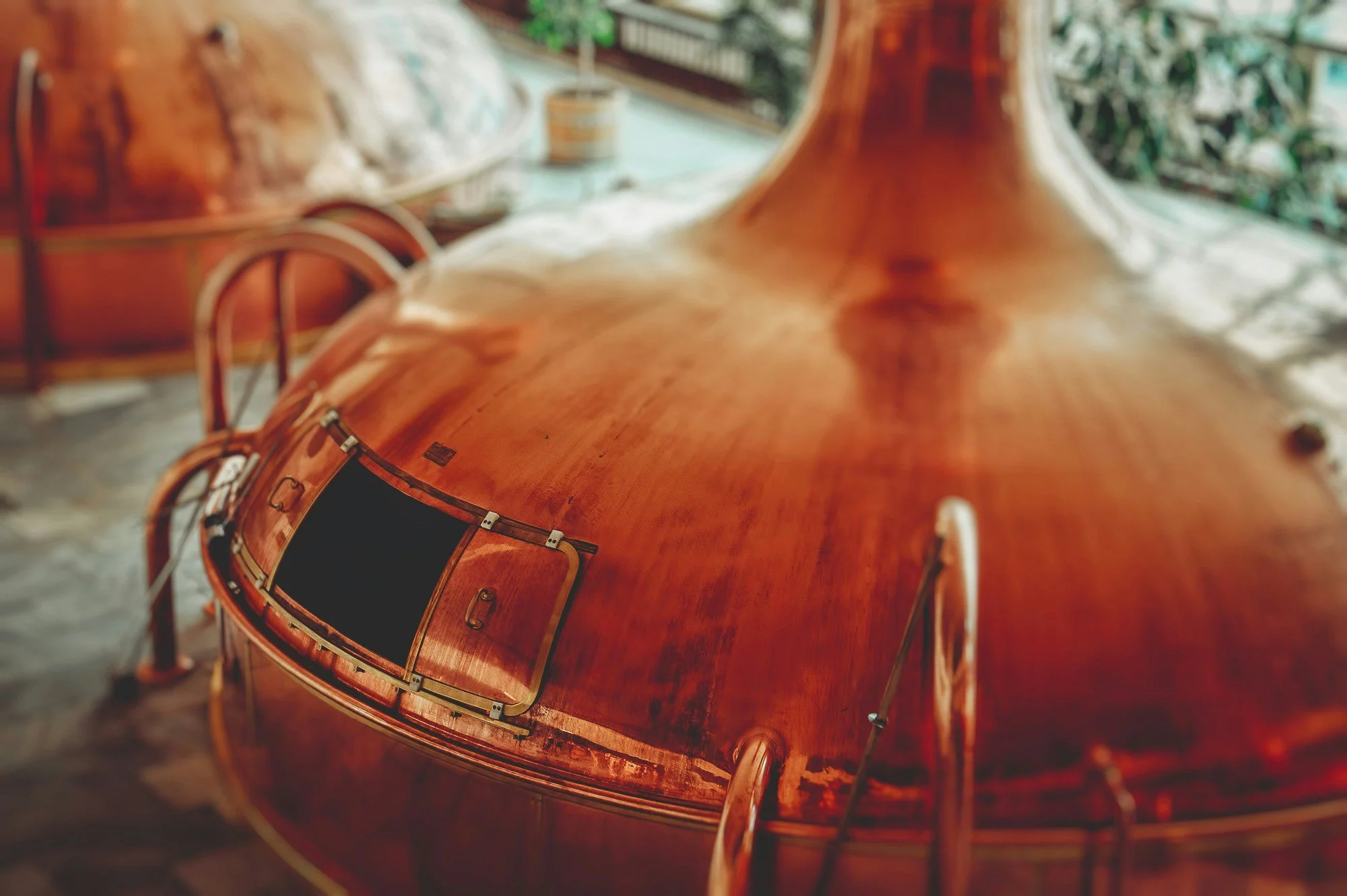
Large stills, commonly made of copper, act as kettles to heat the wash, with the height and size of the stills influencing a whisky’s smell and taste.
Alcohol has a lower boiling point than water so it evaporates first. As alcohol vapours rise, they touch the copper of the still and form chemical bonds to produce aromas from the alcohol. Its vapours then flow through the narrow swan neck of the stills to condense in another container. Interestingly, copper is more effective in some parts of the stills than others. Short-neck copper stills can produce a fruitier taste, distinct from distilleries that use stills with long necks. The resulting colourless sweet liquid is called the new make spirit. A standard Scottish distillery distills the alcohol this way two to three times. Some distilleries in Scotland use 200-year-old copper pot stills, which require specially trained artisans to maintain and repair them!
The Cask
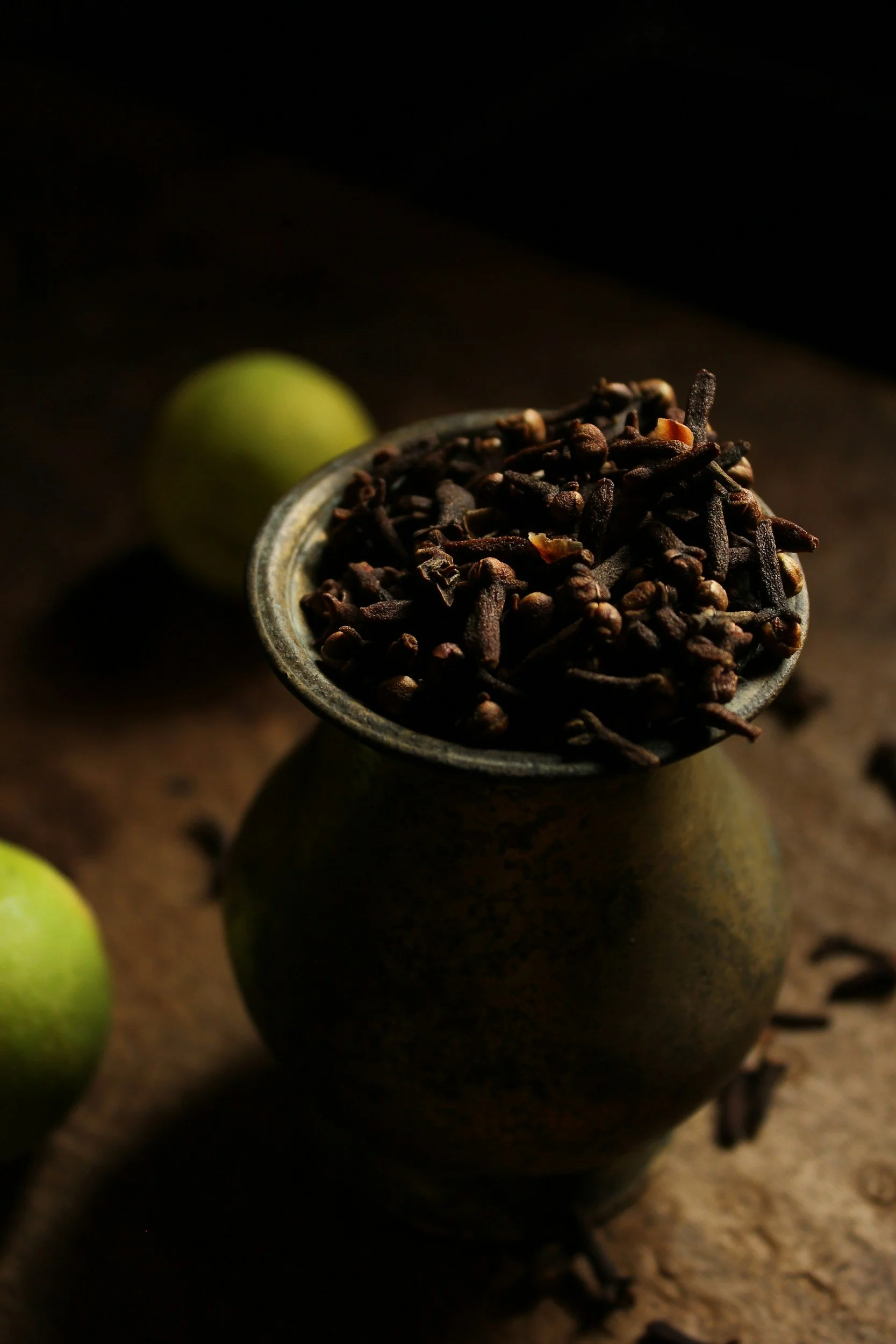
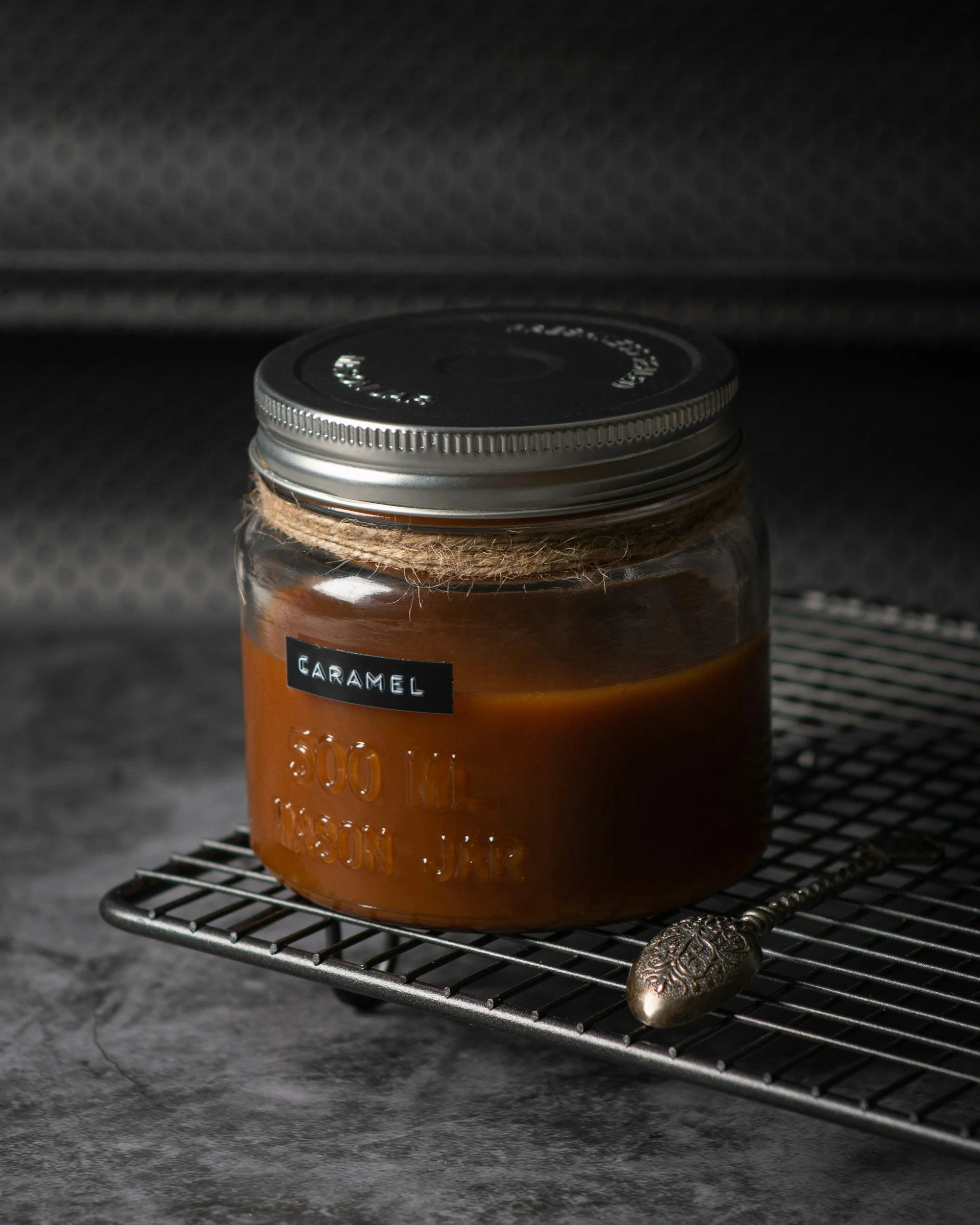
The new make spirit is matured in casks for a minimum of three years before it is bottled and officially called whisky. Around 60-80% of the taste comes from the cask it is stored in. At this maturation stage, multiple factors influence the quality of the whisky, including the type of wood used to make the cask and what was previously stored in it. Casks influence both the colour and flavour of whisky. New oakwood casks, for example, are toasted before use, which heats and caramelizes the sugars in the wood that mix with the new make spirit. Additionally, lignin, a macromolecule in the wood, disintegrates upon heating to produce aromatic compounds that contribute toffee, smokey, clove, caramel or even vanilla notes to the whisky.
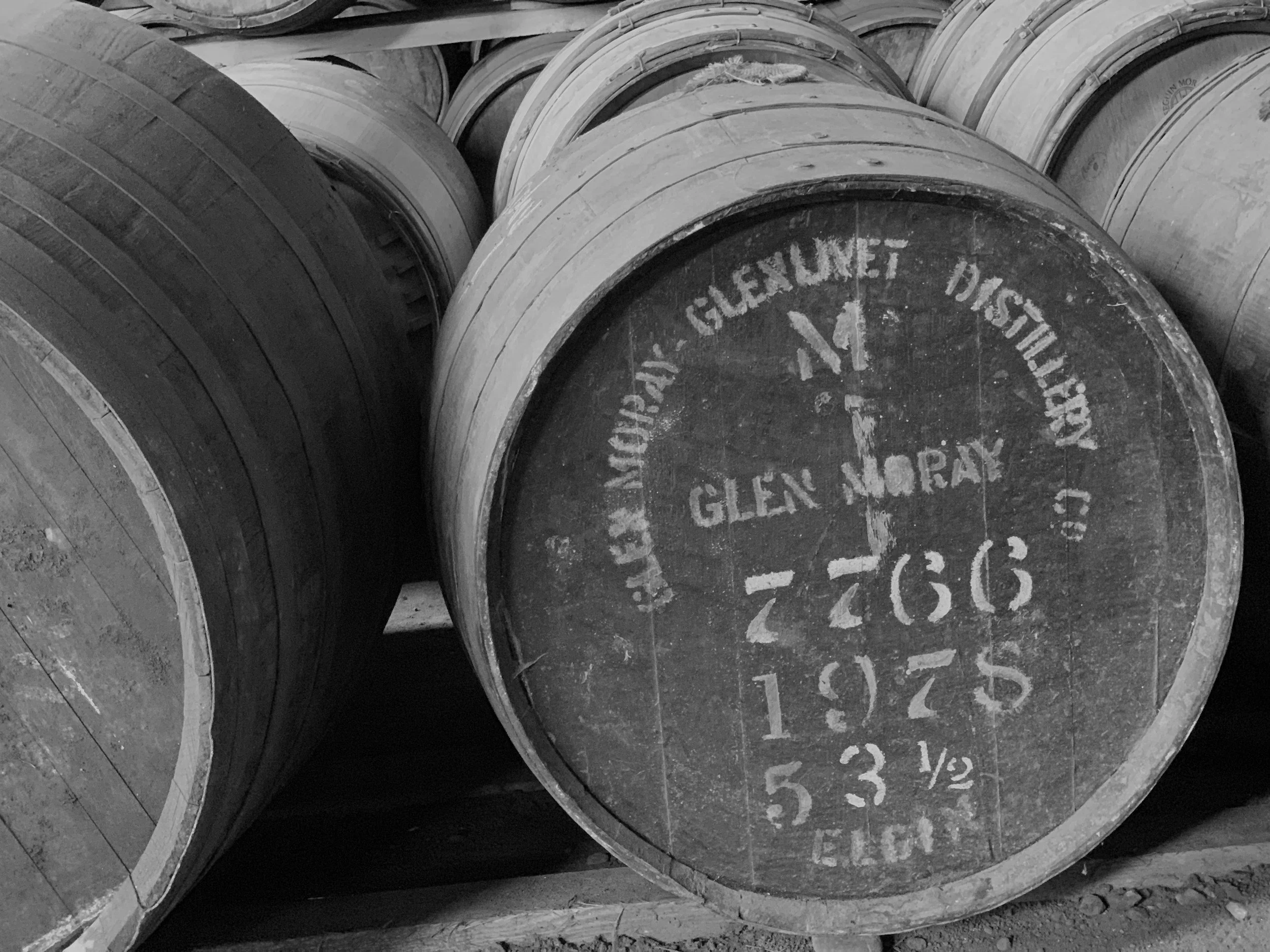
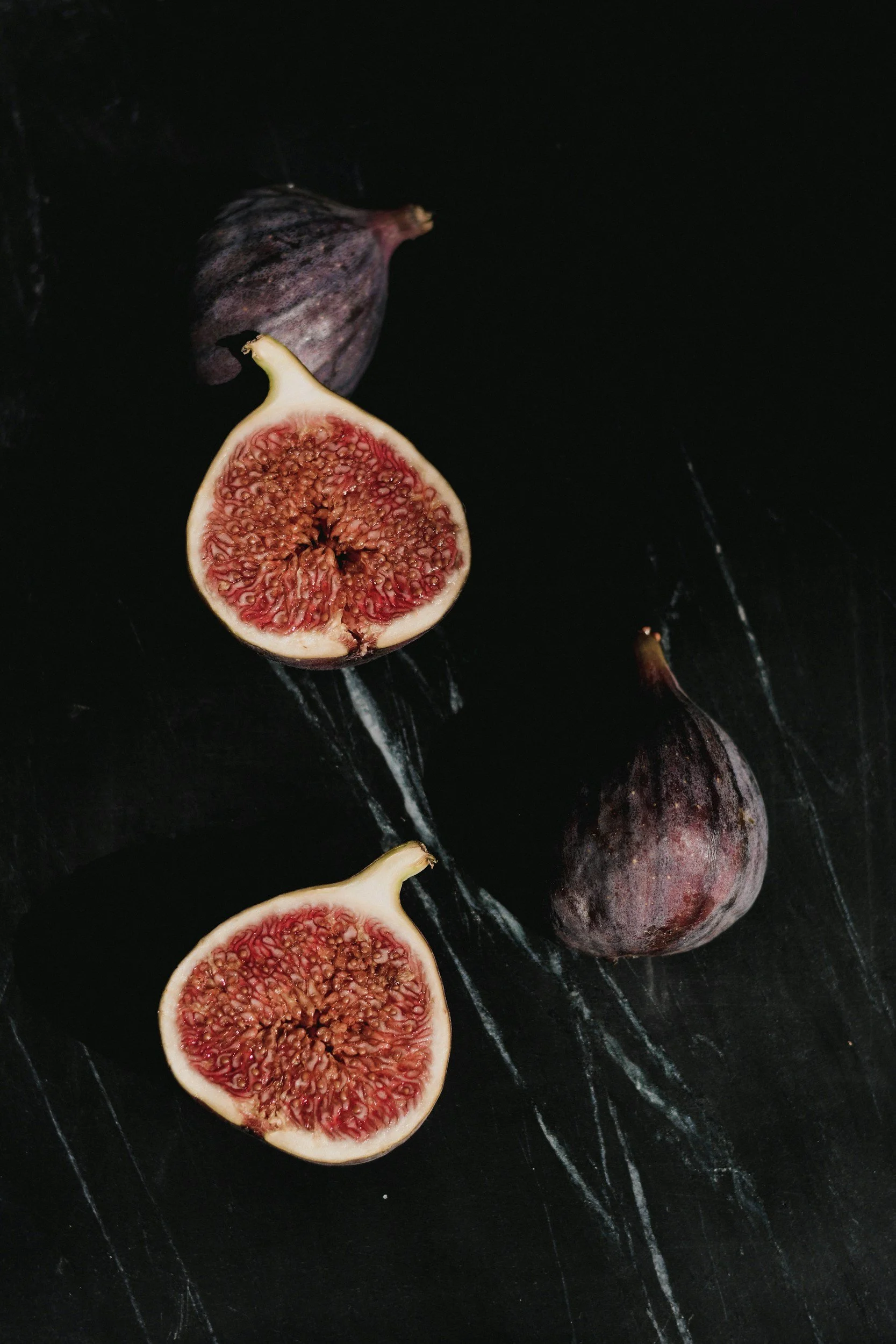
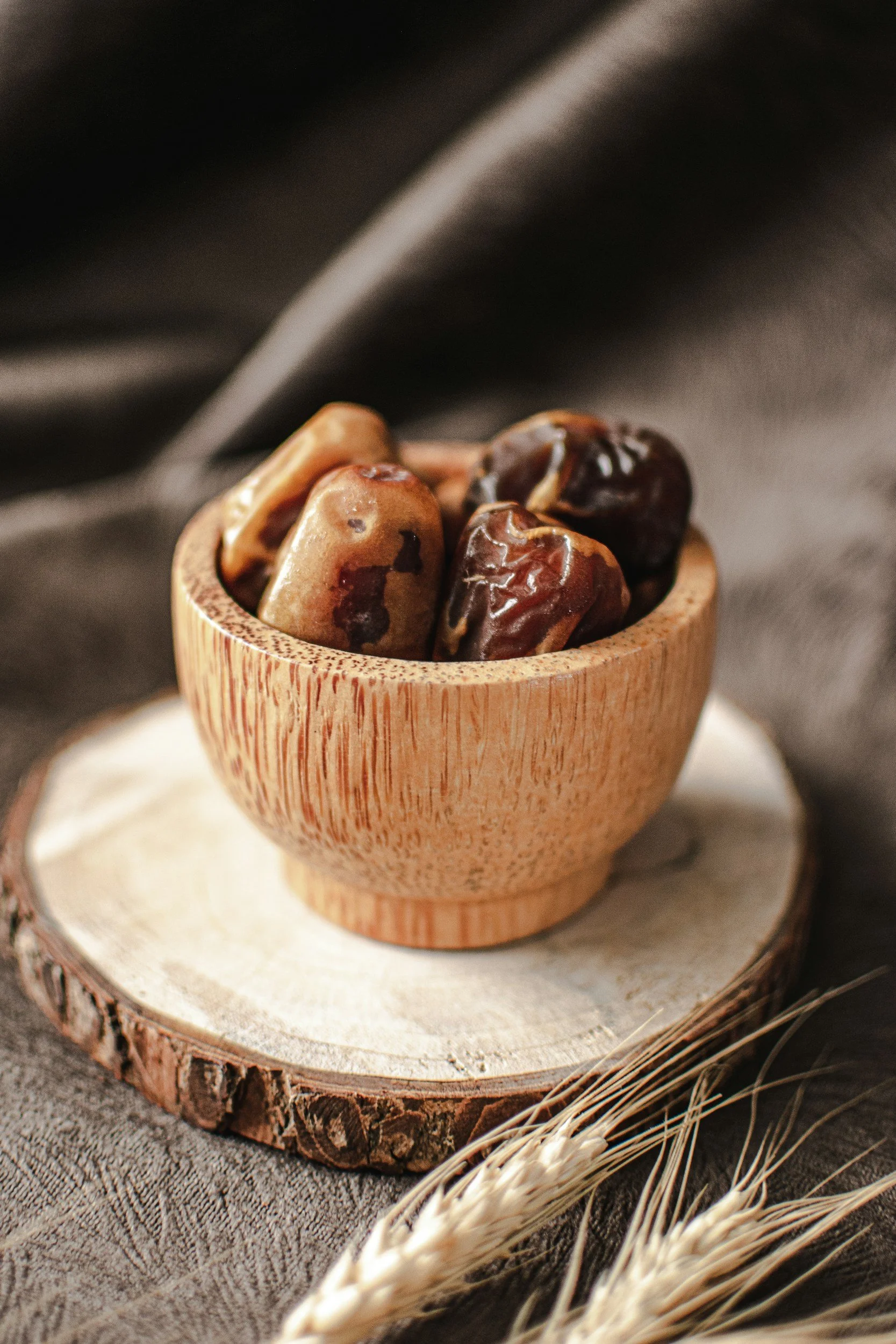
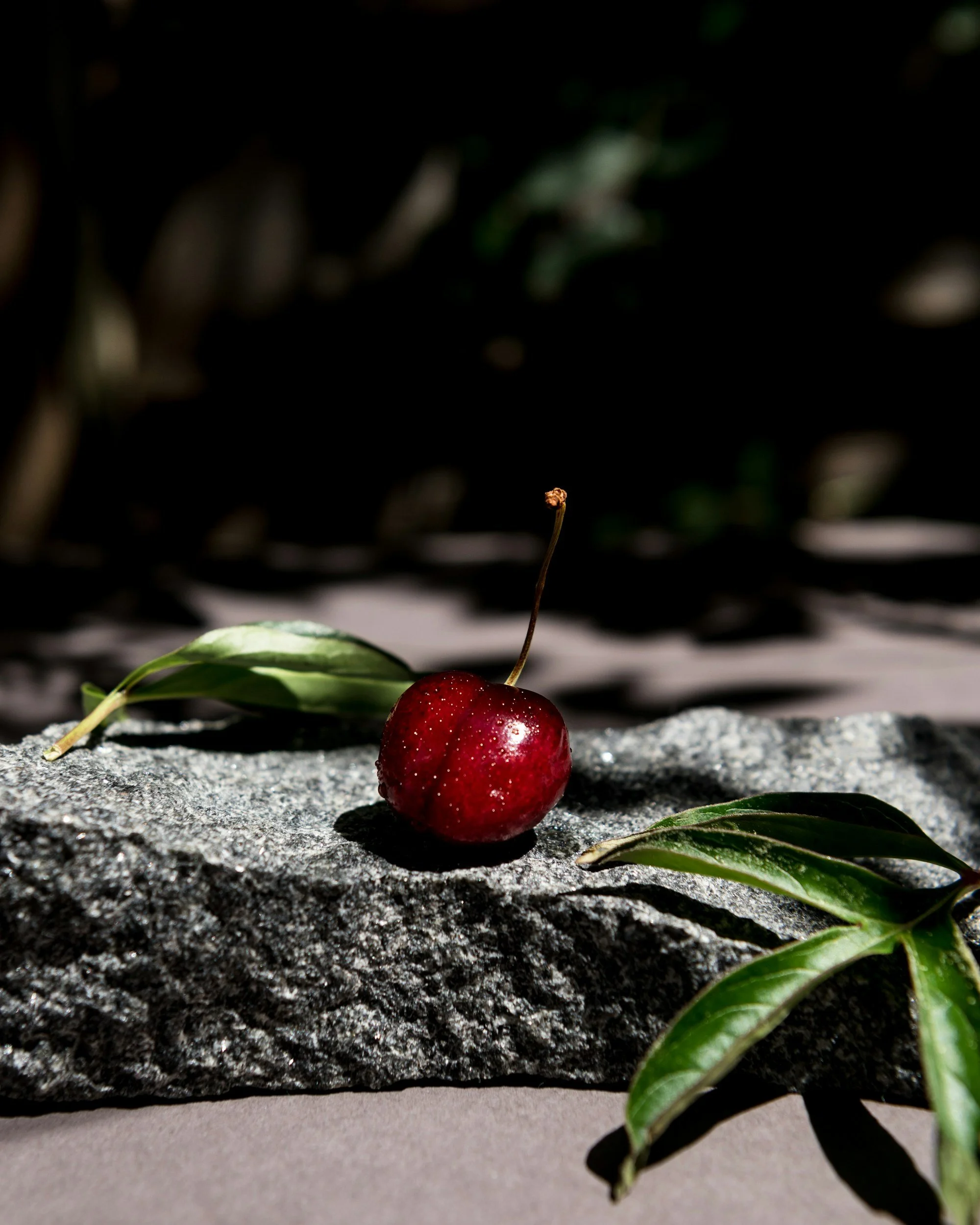
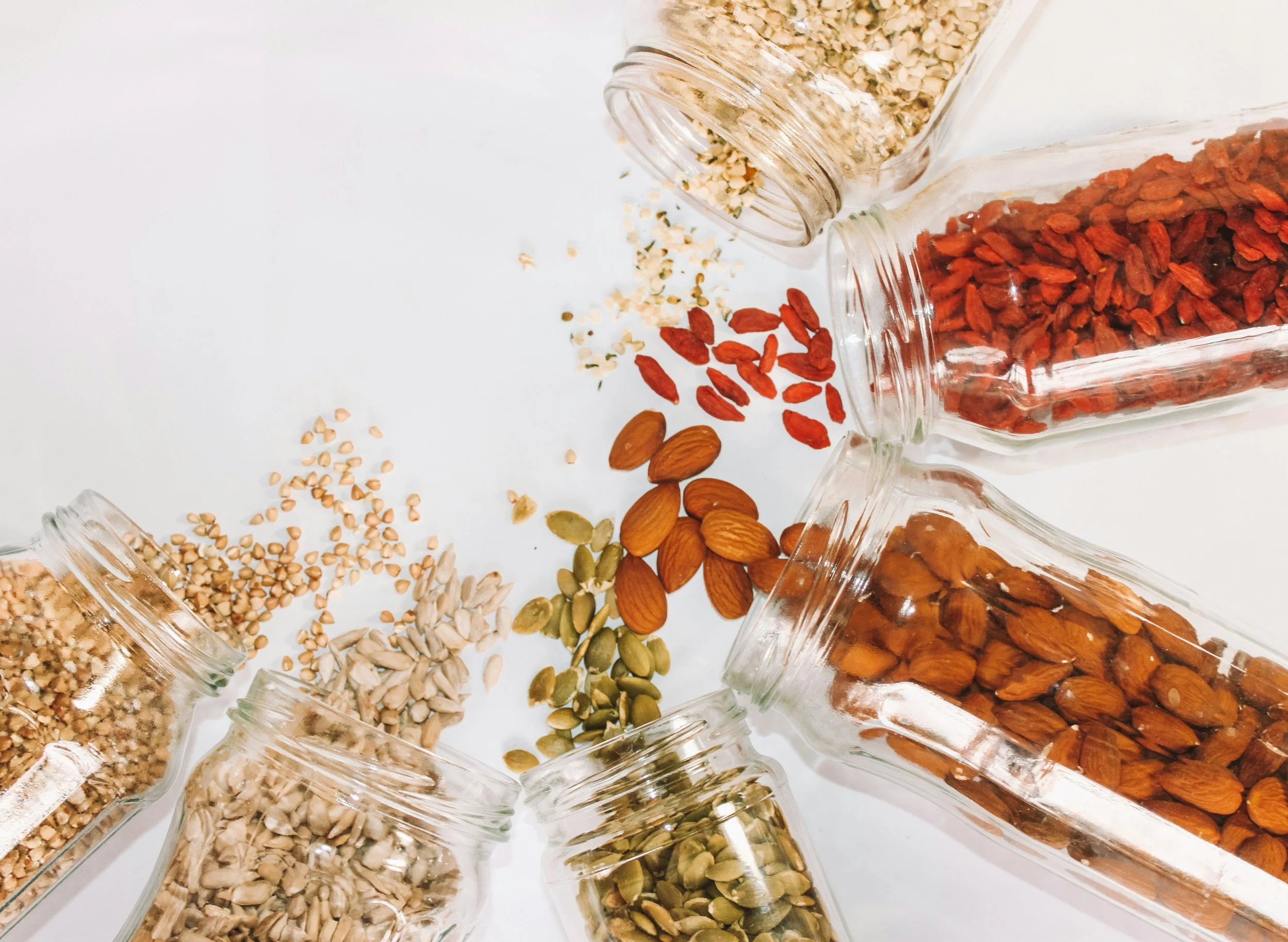
Whisky is rarely stored in a brand new cask. Oak casks are expensive but last up to 100 years, making them perfect to be reused and recharged by toasting. Often, whisky is matured in casks that previously held sherry, adding flavours of fig, dates, cherry, clove or nut to the whisky. Bourbon casks are also common, adding a vanilla and caramel taste. Casks can also be charred for a few seconds to minutes to produce charcoal that will help reduce certain sharp flavours and give a smooth, mellow taste to the alcohol.
The environment in which whisky casks are stored can also influence how whisky tastes. Coastal highland whisky has salty flavours because the ocean sprays the barrels. Hotter climates can open up the pores of the oak wood and mature the whisky faster. Seasonal changes can also have a substantial impact on the quality and quantity of whisky. About 2% of whisky–called the “angel’s share”–is lost to evaporation every year.

The Palate
Tasting whisky is an exercise in mindfulness. First nose the whisky—sniff it and see if you can recognize distinct smells and flavours. Do you detect pines or caramel? Tobacco? Vanilla? Pears and apples? Taste is 80% dependent on smell.
Then experts suggest holding whisky in your mouth for 10-15 seconds, letting it roll on the tongue. During that time, try to identify all the flavours. Which one did you identify first? Which part of the tongue did it hit first? Swallow and feel the warmth flow through the throat into your chest and then determine which flavours remained and which finished.
With so many variables influencing the flavour at each stage of production, it is a huge challenge for big distilleries to maintain a consistent taste across all of their bottles. One technique used to maintain this consistency is vatting–a process of mixing whisky from multiple different casks from the same distillery to maintain uniformity in taste, aroma, colour and texture.
Around 120 distilleries are operating in Scotland right now, a nation whose beautiful landscapes, rolling hills, ocean, rain and sun have shaped the long tradition of whisky-making and given the spirit its delicate elegance. Dr. Koivisto describes the warmth of drinking whisky as a, “nuclear reactor in the chest—in a good way!” He compares it to the feeling of first falling in love. So when you drink whisky, whether alongside the music of the bottle year or not, consider its life cycle from barley to cask and from the bottle into your glass. It’s no wonder then that Dr. Koivisto and Mr. Wolff compare the drink to history, time and memories.