Program Overview
8.00 am - 5.15 pm
9.00 am - 9.30 am
12.15 pm - 1.15 pm
Lunch
1.15 pm - 3.15 pm
3.15 pm - 3.30 pm
Break
3.30 pm - 5.15 pm
7.30 pm - 9.30 pm
10.00 am - 12.15 pm
Disagree Better
KEYNOTE
How to Laugh Instead of Losing Faith in Humanity
9.00 am - 9.30 am
AUDITORIUM

This talk will explore the science of innovation and will attempt to save the world.* Wish Anthony luck.
*Based on Anthony’s PhD research understanding the causes of and solutions to misinformation and polarization

Concurrent Sessions
10.00 am - 12.15 pm
CAPACITY: 27
Re-Storying Science through Indigenous Relationship
10.00 am - 11.45 am
LAYTON ROOM
A student-led approach to advancing Indigenous Knowledges and perspectives in STEMM. From confronting Egerton Ryerson’s legacy to establishing new guiding principles, Indigenous students have been deeply impacted by events at the newly renamed Toronto Metropolitan University. In response, we have sought to Re-Story Science beyond traditional academics into spaces of Community and Relationship. Session participants will be immersed in a wholistic, inclusive approach to science communication that empowers Indigenous students to shape the narratives, spaces, and futures of scientific dialogue by changing the conversations and imagining new possibilities for inclusivity.
IDEAL FOR
Communicators interested in integrating diverse voices, broadening perspectives, and challenging established norms.
PANEL
Reframing Science
Storytelling Through Experience Design
10.00 am - 11.00 am
AUDITORIUM
Digital storytelling and multi-sensory experience design are reframing how science is communicated in cultural institutions, such as museums, that remain among the most trusted spaces for learning and public engagement. This panel, led by Supply + Demand Studio with participants from the Royal Ontario Museum, the Ontario Science Centre, Giant Screen Cinema Association, Biosphère, and StudioDawson, will explore the transformative potential of experience-led media to engage the public with STEM. Through project case studies such as Sacred Defensers of the Universe Watersheds! Follow the Flow, and Psychedelics: An Immersive Journey, panelists will share how technology-enabled environments and layered storytelling open new pathways into STEM for diverse audiences. By sparking curiosity, dialogue, and critical thinking, these approaches make science more relevant, memorable, and accessible in an increasingly complex world. Meeting audiences where they are emotionally, visually, and experientially is at the heart of these communication strategies. Beyond entertainment, digital experience design and the novel use of technology to truly immerse audiences have become vital tools in the science communication toolbox, helping institutions bring facts and figures to life, spark dialogue, build knowledge, and create wonder.
IDEAL FOR
Everyone who is passionate about innovative STEM communication experiences!
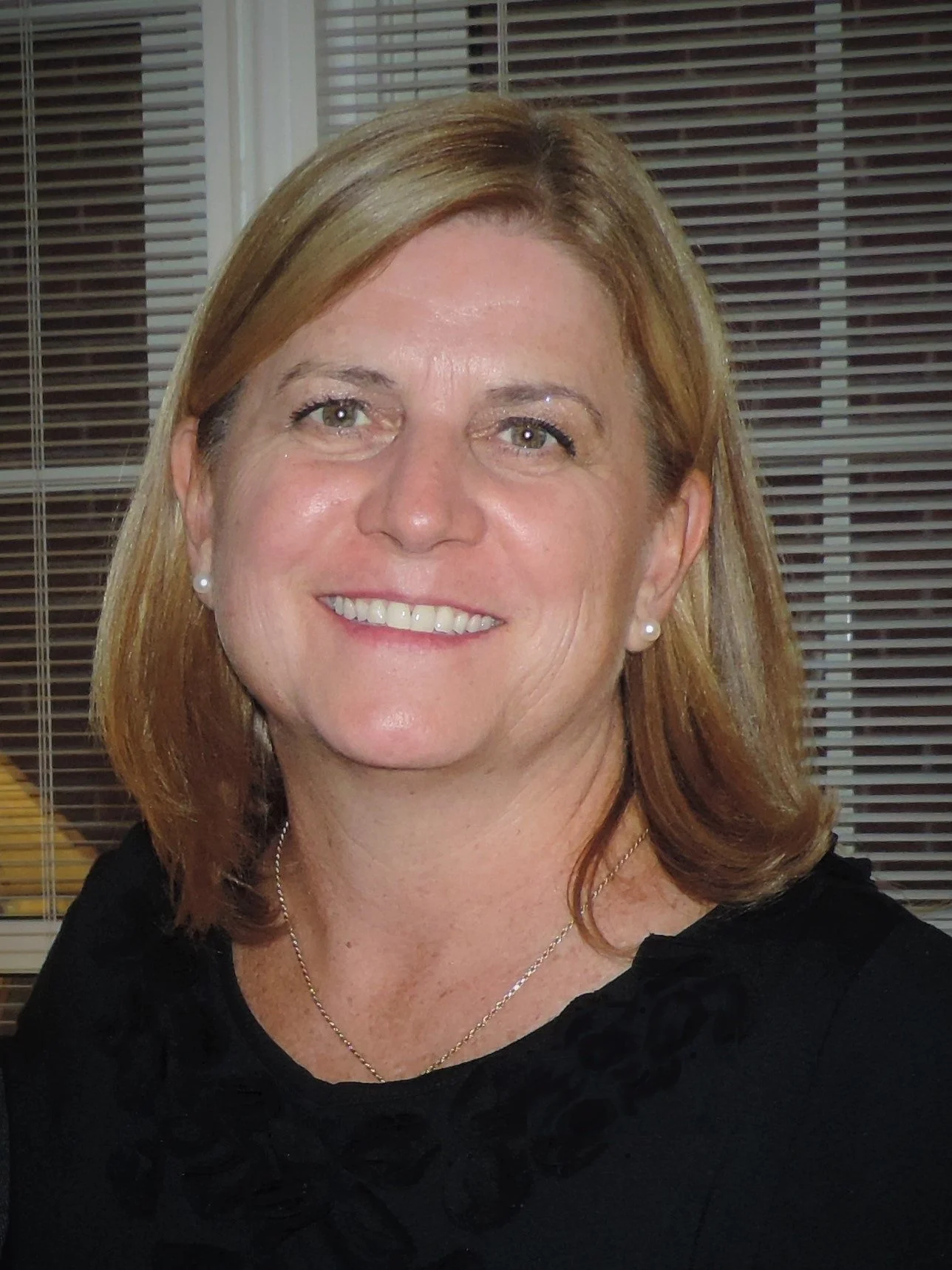
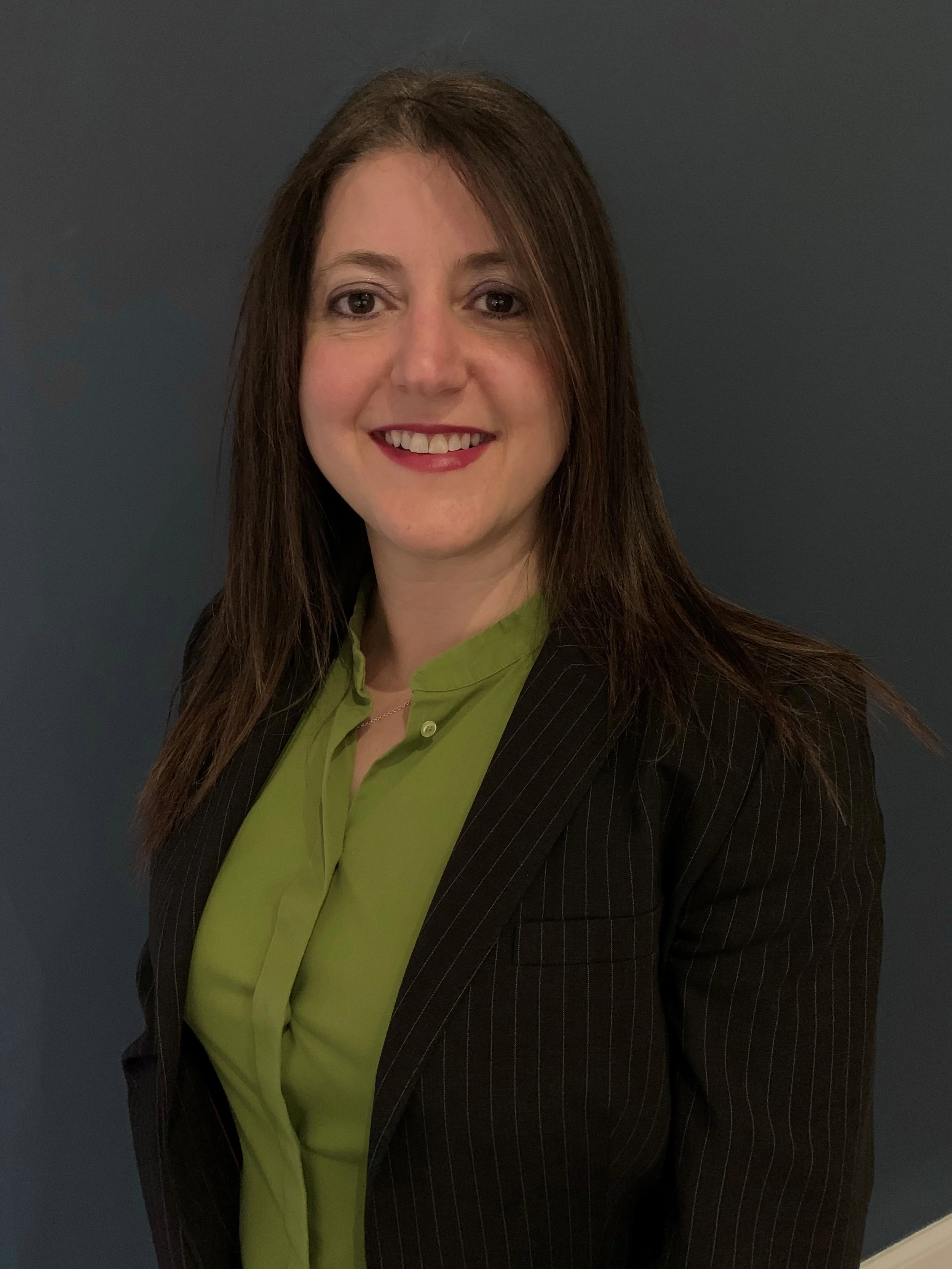
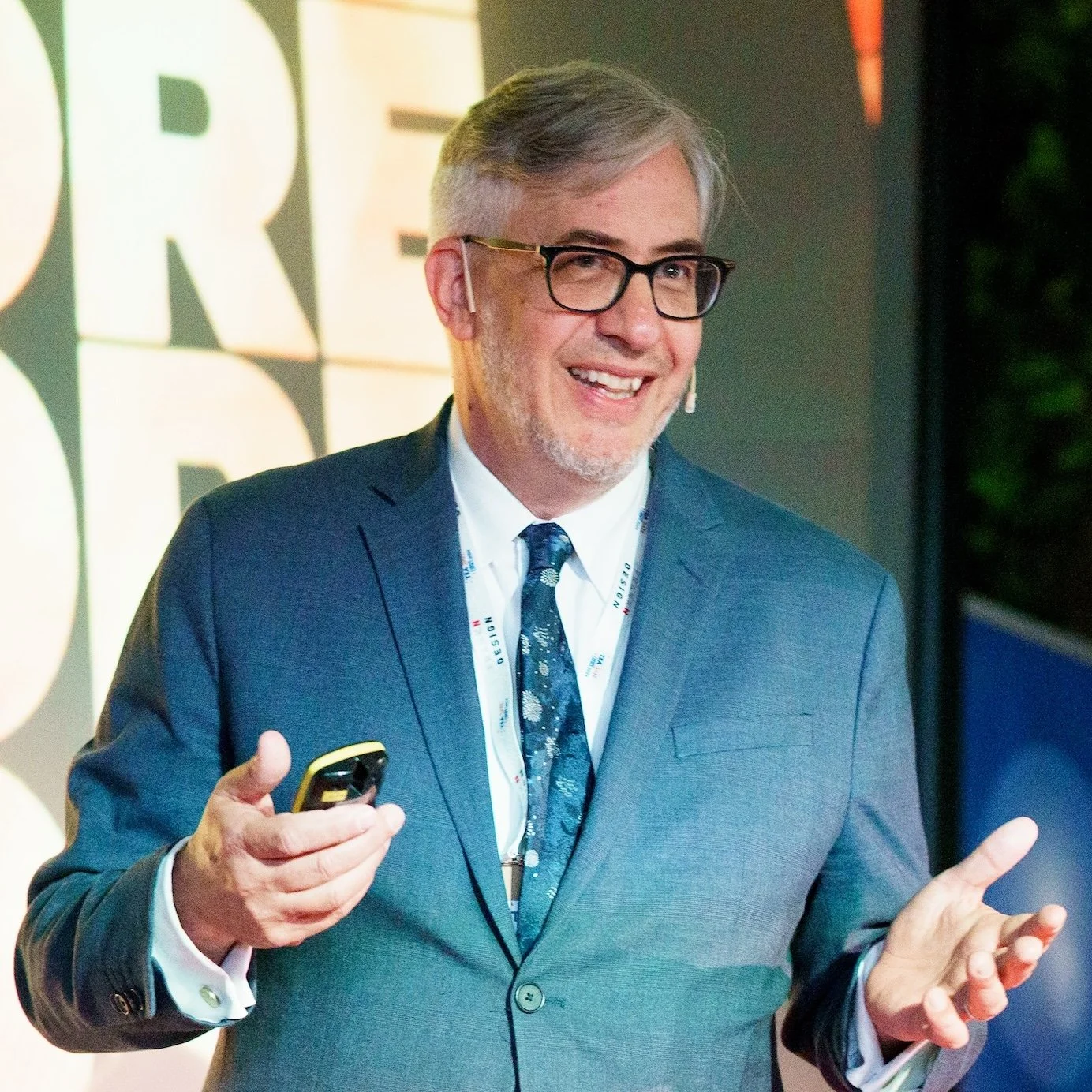
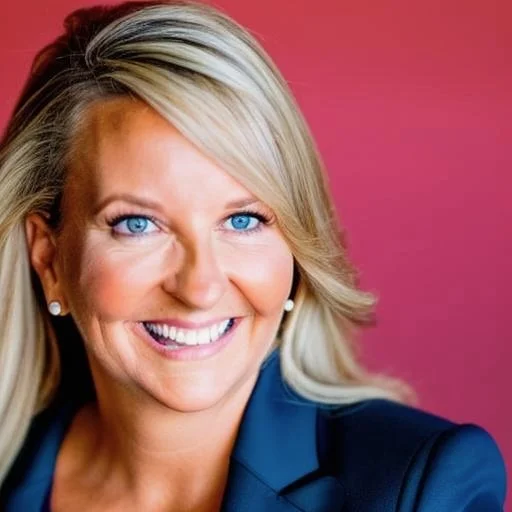
Eve-Lyne Cayouette Ashby
Biosphère, Head of Division, Exhibitions, Programming and Education
SciComm in the Misinformation Age
From Posts to People
WORKSHOP
10.00 am - 11.30 am
OAKHAM LOUNGE
How do you tell people that vaccines work, and keep the conversation civil? Join members of the Canadian Association of Science Centre’s ScienceUpFirst initiative to learn how they create social media content and engage with people online and in their communities to address misinformation on challenging and polarizing science topics. You’ll learn how to best craft content that clarifies difficult subjects without contributing to polarization, how to deal with challenging audience responses – from the earnest misconception to the fiercest troll – and how to engage community partners in your work to reach a wider audience in ways that work for them. So the next time someone says their uncle told them climate change isn’t real… you’ll know what to do.
IDEAL FOR
Science communicators of any experience level seeking practical strategies for producing content and engaging online and in person about polarizing science and misinformation.

Making Cents of SciComm Careers
WORKSHOP
10.00 am - 11.00 am
THOMAS LOUNGE
As science communication continues to grow in demand in Canada, so do the professional opportunities. This workshop offers attendees an overview of the diverse potential career pathways for aspiring and transitioning science communicators. Attendees will gain insider knowledge on salary ranges and compensation, the skills employers are looking for, and negotiating for fair pay.
IDEAL FOR
Anyone who is interested in pursuing or transitioning to a professional career in science communication.
WORKSHOP
Lights, Cameras, Data!
Turn your research into compelling stories
11.15 am - 12.15 pm
AUDITORIUM
What if your data didn’t just explain your findings, but pulled your audience in?
In this hands-on workshop, you’ll step into the role of storyteller and learn how to frame your research so it lands with clarity, emotion, and purpose. This session introduces a simple, flexible storytelling structure you can use in presentations, job talks, interviews, and public-facing work.
You’ll see how the same dataset can tell very different stories depending on audience and intention. Through a live demonstration, we’ll break down a narrative framework built around Hook, Setup, Struggle, Resolution, and Shift. We will explore how story structure transforms dense information into meaning people can follow, remember, and be compelled to act on.
Then, you’ll try it yourself. Working in pairs or small groups, you’ll reframe a dataset for distinct audiences, making intentional choices about voice, focus, and impact. You’ll build a story, share it, and see how small shifts in framing radically change how the data is received.
You’ll leave with a practical toolkit, new language for talking about your work, and the confidence to make your research felt, not just understood.
IDEAL FOR
Anyone who is interested in pursuing or transitioning to a professional career in science communication.
WORKSHOP
Grant Writing 101
Using Science Communication to Secure Funding
11.15 am - 12.15 pm
THOMAS LOUNGE
Funding from all levels of government is essential to support science communication programs, infrastructure, exhibits, workshops… everything! Being able to successfully navigate the grant space can be challenging without dedicated staff, resources and processes, but science communication skills and practice can help lead to funding success.
IDEAL FOR
Anyone who writes grants - either full time or "side of the desk"
TALK
Power of the Pitch
11.45 am - 12.15 pm
OAKHAM LOUNGE
The concept of pitching is simply communicating an idea and convincing an audience of one or more to take a specific action. This session will cover the fundamentals of pitching to maximize your impact and effectiveness. How do you capture people's attention, how do you hold their attention, how do you make a compelling argument, how do you utilize voice, body language, and visuals, and how do you close are some of the core questions that will be addressed.
IDEAL FOR
Anyone who presents, needs to convince others, or has an idea they would like to see adopted.
Lunch
12.15 pm - 1.15 pm
Concurrent Sessions
1.15 pm - 3.15 pm
WORKSHOP - CAPACITY: 26
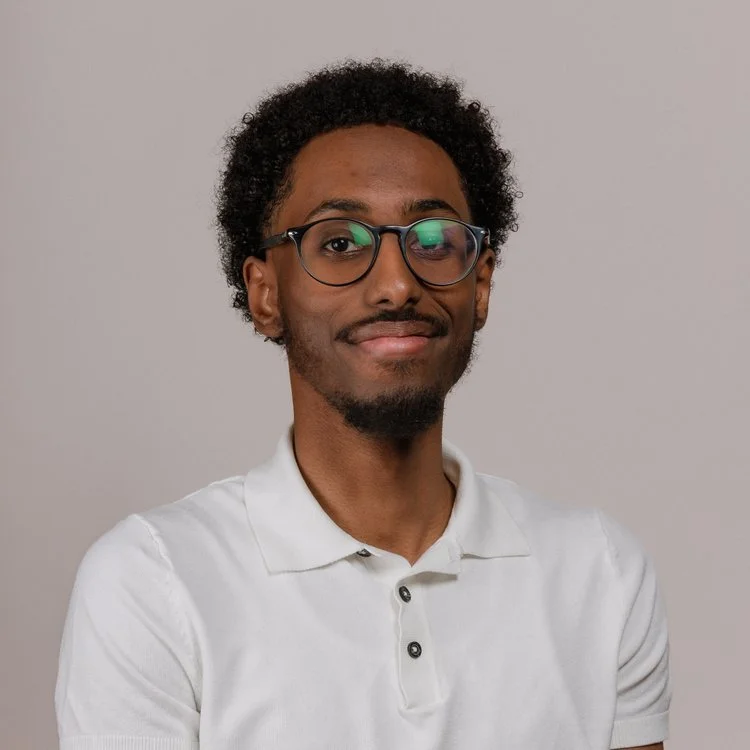
Hair & Hustle
Reframing Youth Engagement in Science Communication
1.15 pm - 2.15 pm
LAYTON ROOM
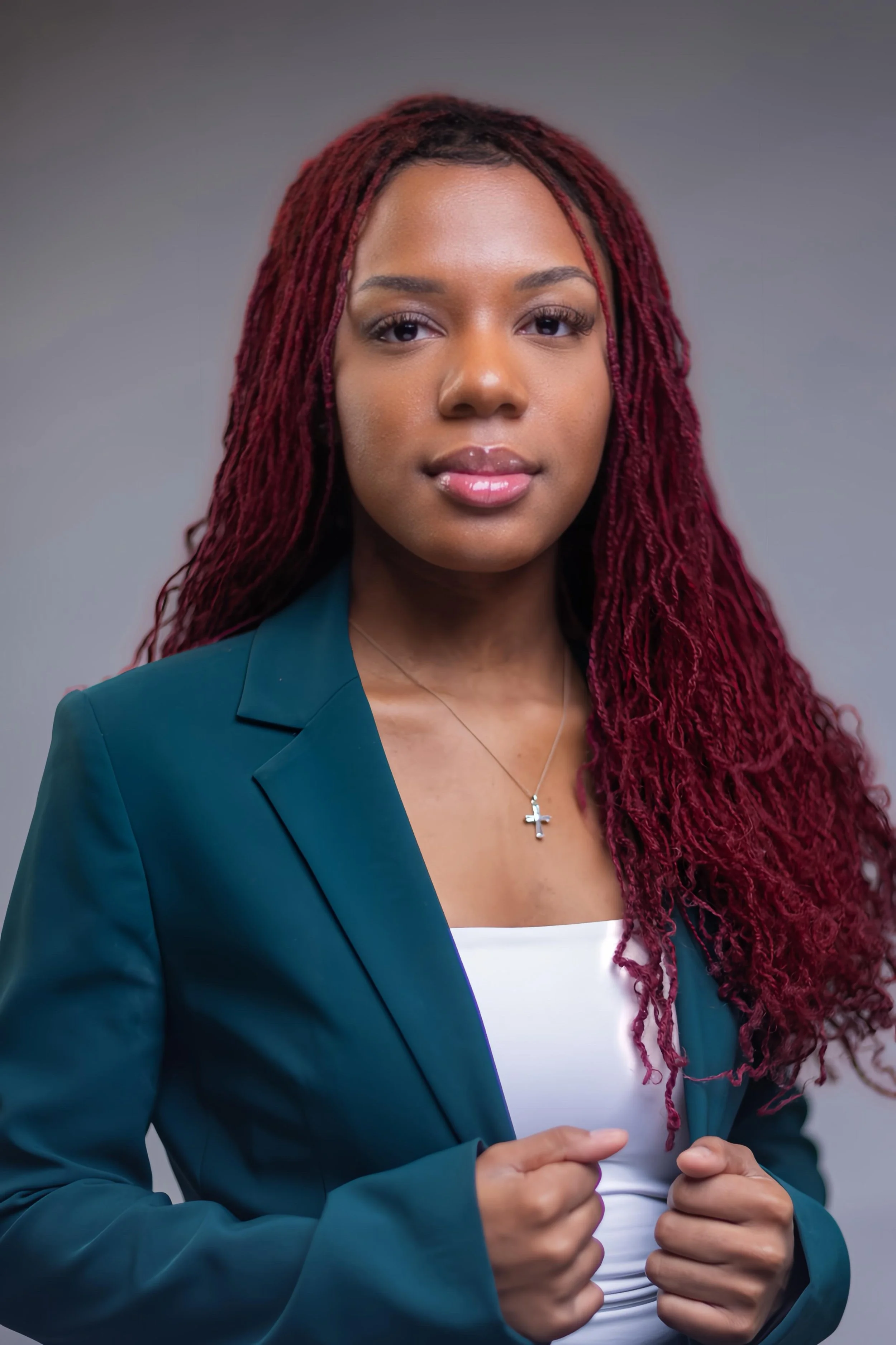
How do we re:frame and equip science communicators with the skills and strategies to build trust with youth, affirm their identities, and create spaces where they see themselves in STEM?
This interactive session invites participants to experience our Hair & Hustle module (typically tailored for youth in grades 6-8), which teaches particle theory through the everyday and culturally relevant context of haircare.
Science communicators will take part in the activity as if they were youth, exploring natural ingredients, designing a haircare product, and presenting it in a Dragon’s Den style pitch (stepping into the role of trichologists and entrepreneurs). Afterward we will reflect together on what makes this approach effective and how it can be adapted to other youth-focused programming.
The session will highlight how culturally grounded and community-based engagement can make STEM learning more accessible and inclusive. Participants will leave with both a deeper understanding of equity-centered science communication and a concrete example of how to design programming that resonates with youth and supports STEM identity.
IDEAL FOR
Science communicators who want to engage with youth in community-led ways, who care about youth identities and creating opportunities in STEM, not just for learning, but for advancing (eg. New and experienced science communicators, educators in schools, museums, and community spaces, content creators working on youth-focused projects, policy makers, funders, and school board leaders)

PANEL
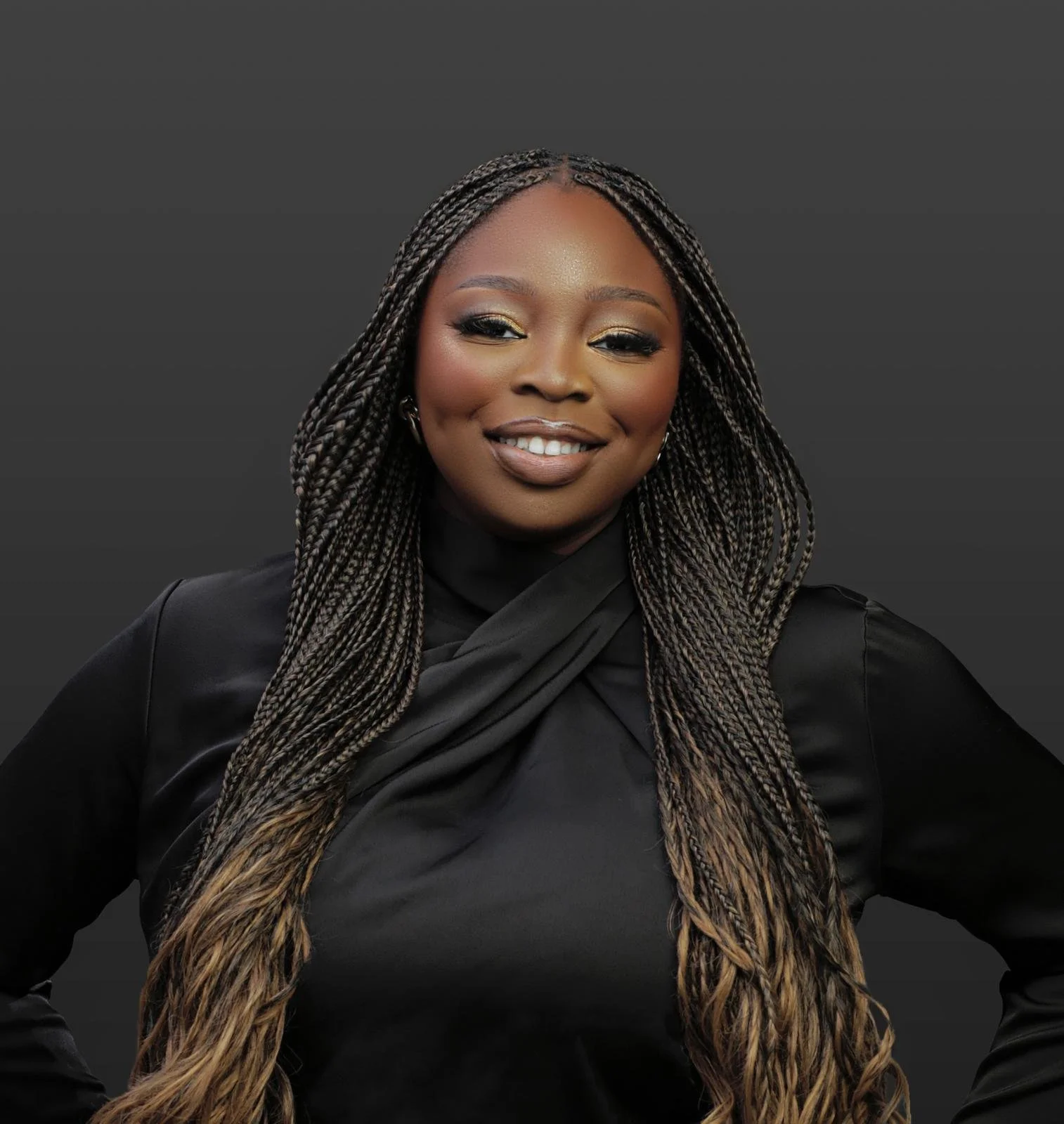
How to Talk about Health
1.15 pm - 2.15 pm
OAKHAM LOUNGE
Health communication shapes how people understand medical information, yet too often it prioritizes pinpoint accuracy over understanding, empathy, and engagement. As medical misinformation spreads, it’s easy to be swayed by a great storyteller who is telling you what you want to hear—especially when you don't understand what reputable organizations are saying! This panel brings together healthcare communicators to explore practical strategies for avoiding stigmatizing language, combating misinformation, and centring marginalized voices in knowledge translation. Drawing from podcasting, public health advocacy, and community co-creation work, panelists will share examples of how they are designing inclusive communications that truly resonate.
IDEAL FOR
Anyone interested in communicating about health-related science

WORKSHOP
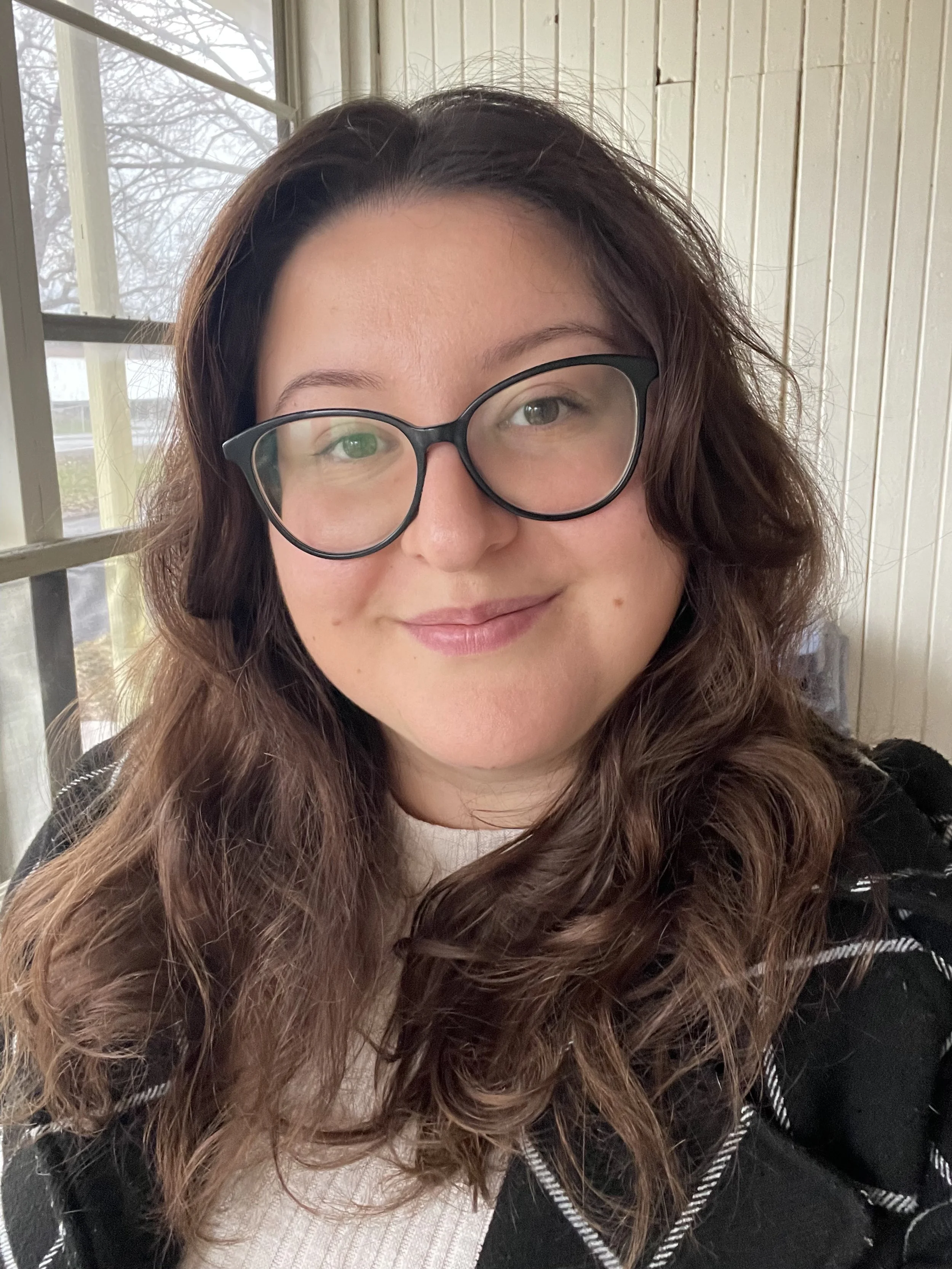
The Transmedia Emotional Engagement Storytelling (TREES) Model
An Instrumental Workshop on Science Communication
1.15 pm - 2.15 pm
THOMAS LOUNGE
Storytelling has become a fixture in communication writ large, but too often it remains a catch-all term—invoked as a tool without a clear framework for how it can be effective. This workshop proposes and contextualizes a new model to inform the design of transformation-based participatory science communication: Transmedia Emotional Engagement Storytelling (TREES). Informed by research in environmental communication, social cognitive theory, and narrative empathy theory, TREES codifies effective transmedia storytelling (TS) practices into conceptual approaches and practical actions. As such, this workshop is intended for individuals and organizations looking to foster emotional engagement with science.
IDEAL FOR
Early career communicators; communication theorists; visual storytellers
CASE STUDIES
SciComm Field Notes
Short talks from SciComm practitioners & researchers from the field
1.15 pm - 3.15 pm
AUDITORIUM
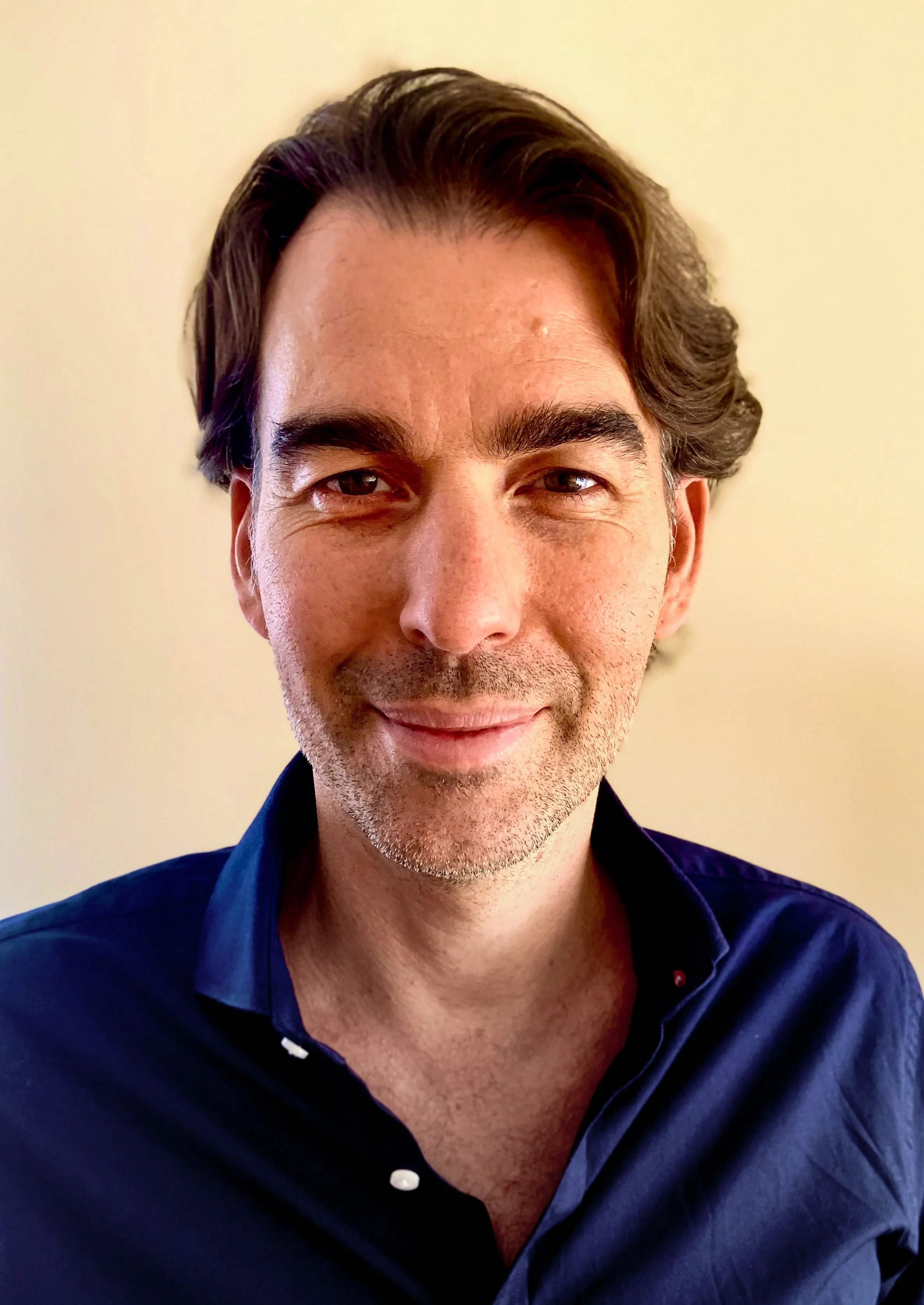
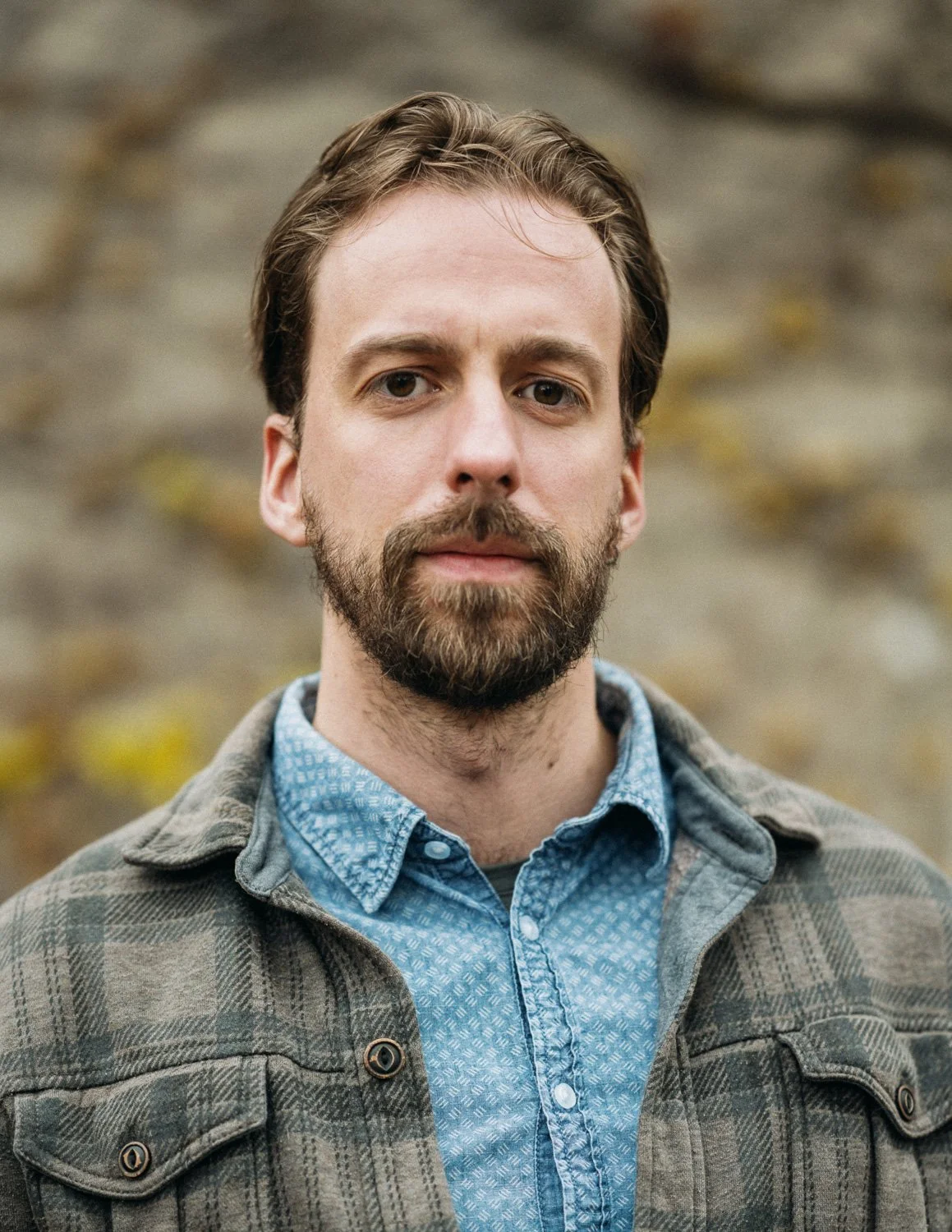
1.15 pm - 1.45 pm | Co-Creating Pathways with Workers and Communities
Learn how Iron & Earth is bridging the gap between research and real-world impact through community-first, inclusive science communication. Drawing from our Community Talks and Prosperous Transition Campaign (PTC), we will highlight participatory approaches that focus on Indigenous knowledge, worker experiences, and equitable pathways to a net-zero economy. Participants will discover how storytelling, co-creation, and locally led training initiatives help to democratize science, moving conversations about climate and energy beyond labs and policy offices into community spaces where they can be shaped and understood by everyone. By highlighting lessons from Indigenous-led recruitment, mentorship, and renewable skills training, the session will explore new frameworks and best practices that challenge the status quo and create new opportunities for inclusive, fair, and resilient energy transitions.
IDEAL FOR
Early career communicators; communication theorists; visual storytellers
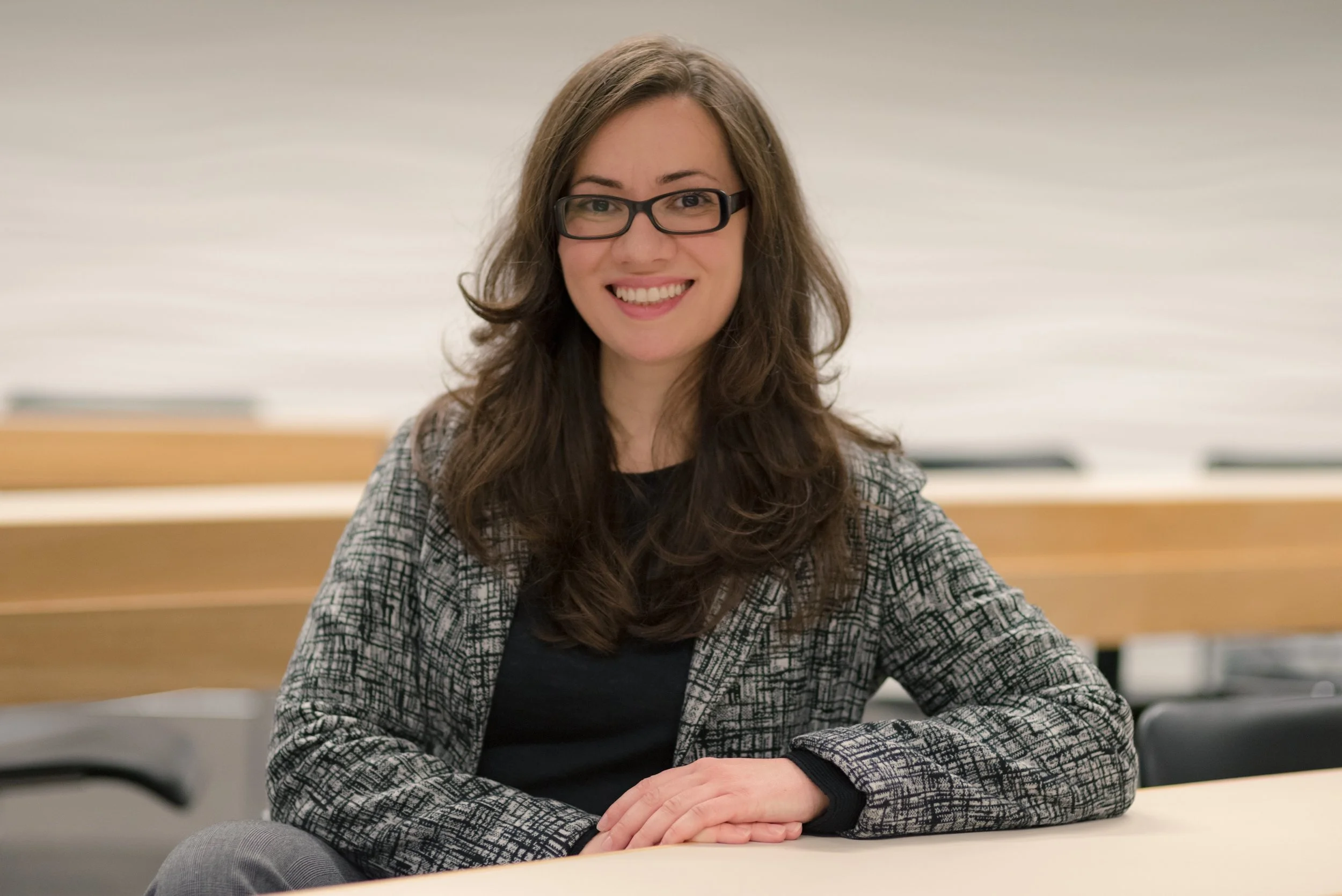
1.45 pm - 2.15 pm | A 20-year Perspective on Transitions in the Canadian Science Communication Landscape
Science communication in Canada is constantly evolving. There are new challenges, new opportunities, and new approaches for engaging diverse publics in conversations about science. Over these two decades of graduate education and professional training alongside partners at Science North, Laurentian University’s Science Communication Graduate Program have turned to alumni, employers, and communities of practice to ensure that the curriculum meets the needs of the moment, including rapidly changing platforms, evolving best practices, and a shifting socio-political landscape. Faculty share their 20-year perspective on the Canadian sci comm landscape: Where and how is science communicated now? How has this work changed? How do we balance evergreen communication principles with emerging techniques and tools? Which resources, frameworks, and research projects can inform our approach? By sharing our perspective on a field in transition, we aim to help the Canadian science communication community reflect on how we can collaboratively prepare for the future.
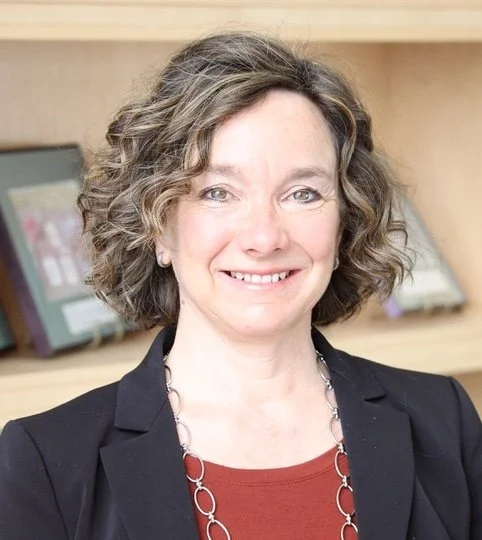
2.15 pm - 3.00 pm | Beyond the science media silo: Making scientific concepts resonate with broad audiences
Science writing often appears in specialized outlets and aims to reach audiences already interested in science. While this work remains valuable, today's global challenges require new approaches to successfully reach broader audiences. What does it mean for science writers to truly put the reader first, engaging people who might not normally seek out scientific content and helping them see its relevance in their lives? And how can this be tackled skillfully, without diluting the value of the science or jeopardizing the trust of sources?
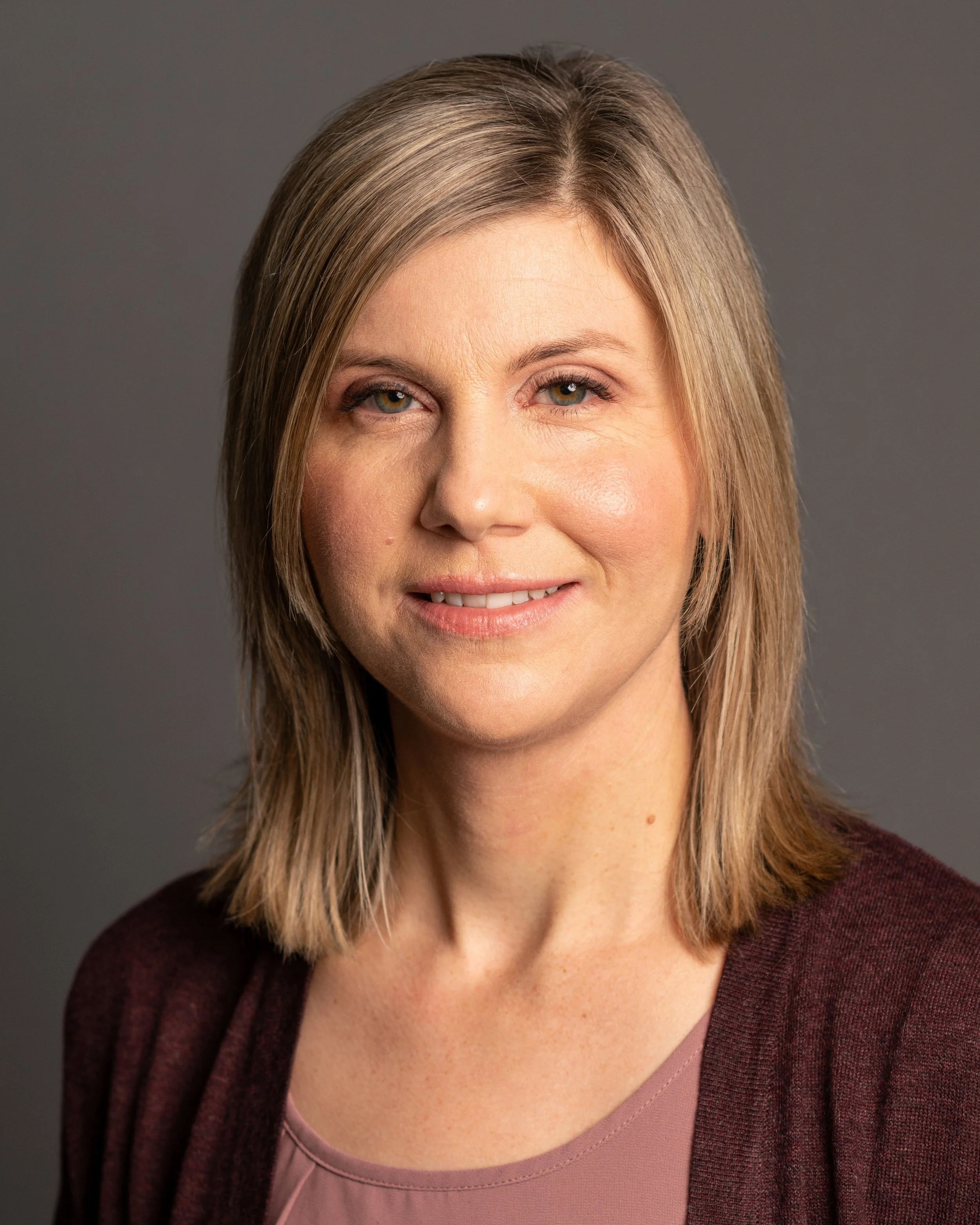
FIRESIDE CHAT
Changing the way we communicate
Integrating alternate perspectives in SciComm
2.15 pm - 3.15 pm
THOMAS LOUNGE
Modern science communication is often built on Western ideologies—prioritizing reductionism, linear logic, and objectivity. While these frameworks have value, relying on them exclusively can distance the public and overlook the rich, intuitive storytelling essential to human connection. In an era of growing scientific mistrust, how do we bridge this gap?
We will explore the intersection of Western science and Indigenous ways of knowing. This conversation will focus on the idea of cultural humility and the power of holism in science communication practices. By integrating values of community, wisdom, honesty, and connectedness, we can reframe scientific knowledge to be more inclusive, trustworthy, and deeply human.
IDEAL FOR
New and experienced science communicators looking to reach a more diverse audience through exploring alternative ways of knowing.
Organized by
WORKSHOP - CAPACITY: 29
Boole, Bezier, and Beauty
2.45 pm - 3.15 pm
LAYTON ROOM
“When working on a problem, I never think about beauty; I think only of how to solve the problem. But when I have finished, if the solution is not beautiful, I know that it is wrong.” ~ Buckminster Fuller
Today, while Mathematics is necessary to solve modern problems, very few people look back and see those solutions as beautiful. Approximating curves using straight lines is fundamental to both the history of mathematics (Mary Everest Boole!) and many modern applications (Bézier curves!), all while being incredibly beautiful for learners of all ages. Come create beauty with mathematics! Then, put your experience in context by drawing connections with a variety of perspectives and disciplines including coronal loops, Zambian Ba-ila settlements, optical caustics, architectural designs, automobile engineering, computer graphics, and nature art. Perhaps, unlike Fuller, we should be thinking about beauty, because it will tell us more about what it means to solve problems. It’s certainly worth trying.
IDEAL FOR
This is an all-ages, all-mathematical-experience session. It is designed around how this idea has been developed for young people 11+, but can easily be adapted to any level of mathematical and artistic experience.
WORKSHOP - CAPACITY: 29
Let the Data Live
From Static Reports to Living Archives
2.45 pm - 3.15 pm
OAKHAM LOUNGE
The Peel BEACON Project (Black Equity Archive for Community Outcomes and Needs) emerges from a quiet but persistent problem: decades of evidence documenting health inequities affecting Black, African, and Caribbean communities in Peel Region exist—yet remain fragmented, inaccessible, and largely disconnected from the communities they describe. Despite rapid population growth and well-documented disparities in chronic disease, HIV/AIDS, hypertension, and mental health, meaningful change has been slowed by systemic underinvestment, limited race-based data, and approaches to care that fail to reflect lived realities.
IDEAL FOR
Community members, advocates, researchers, science communicators, data scientists, and health professionals who want to better understand—and reshape—how health data is collected, communicated, and used. It is especially relevant for Black, African, and Caribbean community members who deserve access to the data that reflects their lived experiences. The session will also resonate with students, policymakers, and practitioners engaged in health equity, decolonization, and inclusive STEMM practices, as well as anyone questioning the limitations of traditional reports and dashboards. Attendees interested in participatory, community-driven approaches to knowledge translation and data sovereignty will find this session particularly meaningful.
Bio Break
3.15 pm - 3.30 pm
Plenary Sessions
3.30 pm - 5.15 pm
NETWORKING
The Good, The Bad & The Ugly
3.30 pm - 4.30 pm
AUDITORIUM & OAKHAM LOUNGE
An opportunity to meet some new faces, share some successes and spend a bit of time thinking about the things that don’t always go as planned.
In science communication, we are getting pretty good at celebrating polished success stories. This session builds on the idea that real learning and reflection happens when we talk about what didn’t go as planned. This interactive session uses a ‘Good, Bad, Ugly’ framework to facilitate a supportive environment where participants share their own projects, challenges and learning. Everyone will get the opportunity to share if they wish to, highlighting something that worked well (the Good), something to avoid doing again (the Bad) and something to do differently, change or get advice from others about (the Ugly). Through small group discussions, we will identify shared themes, practical strategies and hopefully find new approaches to take back to our own work. This peer-learning format values vulnerability, reframes failure as growth and strengthens our collective toolbox for inclusive and creative science communication.
Resources: Reflections
DEBATE
Is All Science Communication Political?
4.30 pm - 5.15 pm
AUDITORIUM
In an increasingly politicaly polarized world, science communication enthusiasts and professionals must scrutinize their choice of words like never before: Is this topic trending on TikTok? Did someone from the far Left/Right use this phrase?
In the wake of this globalized and politicized world, can science communication exist without political context? Facilitated by Dr. Alexander Hall, this debate will illuminate the arguments around whether science communication is political - hopefully while illiciting a laugh or two at the expense of our absurd world.
IDEAL FOR
Whichever side of the debate you fall on, it should be a good time for all!

Asynchronous
8.00 am - 5.15 pm | Lobby (Courtyard Lounge)
Neurotropolis
A Board Game about the Brain and Language
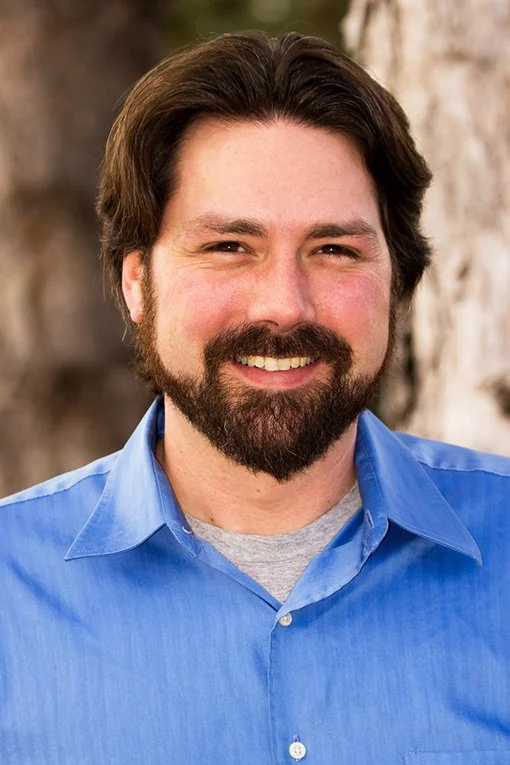
“Neurotropolis: A Linguistic Adventure” is a board game created collaboratively by neuroscientist Claire Honda and designer Gaby Von. Driven by a shared desire to communicate scientific information and to foster human connection in a playful and enjoyable way, Claire and Gaby decided to create this board game as a medium for sharing information about language processing in the brain. The game board is designed based on actual maps of the brain but is stylized to look like a fantasy island, and it contains various locations (brain areas) to be connected. Each player’s goal is to build connections while adapting their play based on cards that contain neuroscience metaphors and that affect gameplay in unpredictable ways. Claire and Gaby believe that scientific board games like Neurotropolis can have a lasting positive impact on the field by reaching diverse audiences of all ages and backgrounds, and by associating scientific concepts with the positive, participatory, and relationship-building experience of playing a game. Stop by this booth to view the two current prototypes of the game—a large modular wooden one and a smaller traditional boxed board game—and even try playing it!
IDEAL FOR
The game is designed to appeal to a large range of ages (10+) and of backgrounds. We have successfully play tested the game with children, seniors, neuroscientists, and people without any neuroscience background. We hope to get more feedback and connect with a variety of attendees with different perspectives!
I am Here
A subtle connection to presence
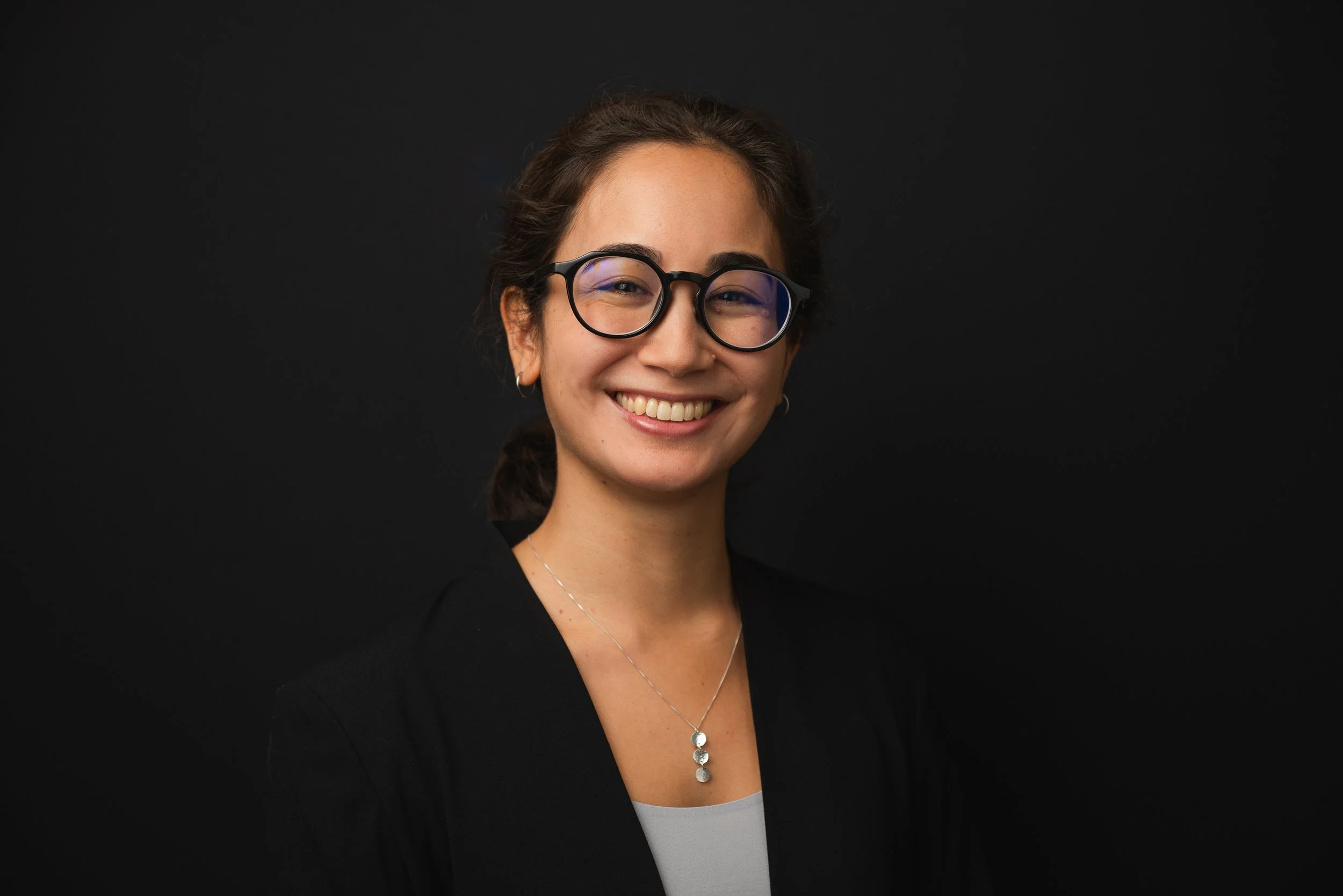
Aydemir’s research drifts between the tangible and the unseen, tracing the subtlety of presence as it flickers through moments of touch, scent, and memory. She explores belonging through the quiet language of the senses, where what is felt often speaks louder than what is seen. In an increasingly technological world that forgets the weight of the physical, her work lingers on the soft edges of experience—where absence hums with presence, and remembrance becomes a form of return. Through personal narratives and sensory recollections, she seeks the invisible threads that tie us to our loved ones, our roots, and the beings we have forgotten. Her research listens for the faint echoes of who we were, who we have become, and what remains between—those delicate traces through which belonging gently reawakens after estrangement.Mehnaz is a doctoral candidate at TMU University in Media Design & Innovation. Mehnaz’s recent research explores digitally mediated effects on inclusive design through object/human interactions, with a focus on multi-sensory embodiment and subtlety.
Storyhouse
Narrative Performance to Communicate Science
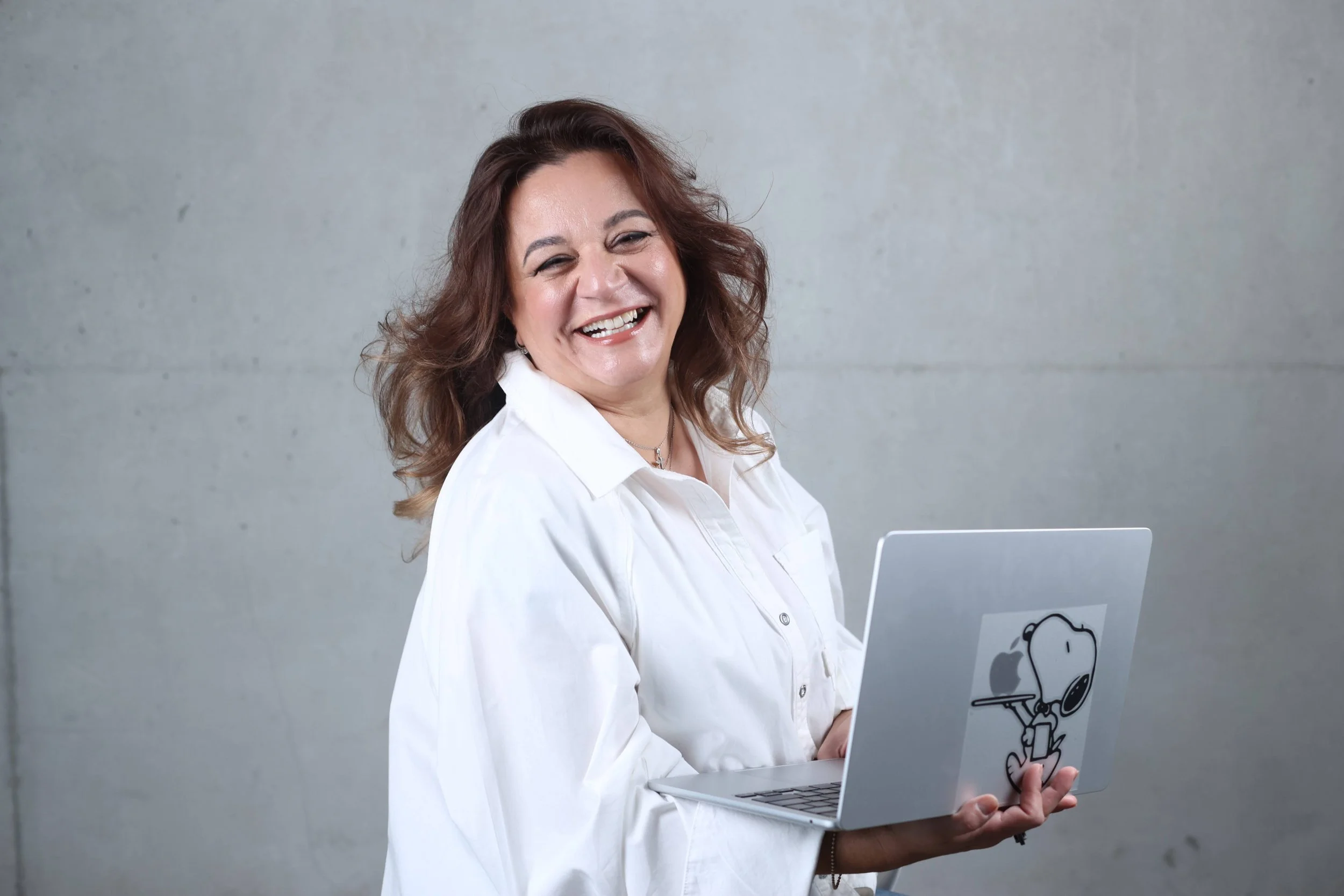
The Storyhouse program is an innovative approach to bridging the gap between academic research and public engagement through the power of narrative storytelling. Developed at Western University in 2023, this nine-week professional development program coaches students as science communicators, as they transpose complex research findings into compelling, accessible stories that resonate with specific, diverse audiences. By combining elements of knowledge mobilization, narrative theory, performance studies, and science communication, participants learn to craft and deliver research stories that inspire action among policymakers, practitioners, and communities who can implement meaningful change.
The aim of Storyhouse is to achieve a “win-win” for everyone: Students develop competencies in public speaking, audience analysis, narrative construction, and performance delivery—skills that prove invaluable regardless of career trajectory. For faculty members and researchers, Storyhouse offers a unique opportunity to amplify research impact by connecting their work with audiences who can translate findings into practice, policy, or further innovation.
All program materials, including videos and a comprehensive facilitator's guide, are now freely available. This open-source approach enables any institution or organization to implement their own Storyhouse program, adapting the materials to their specific context while maintaining the core pedagogical framework that makes the program effective.
IDEAL FOR
Science communicators, faculty members, research administrators and strategists, students

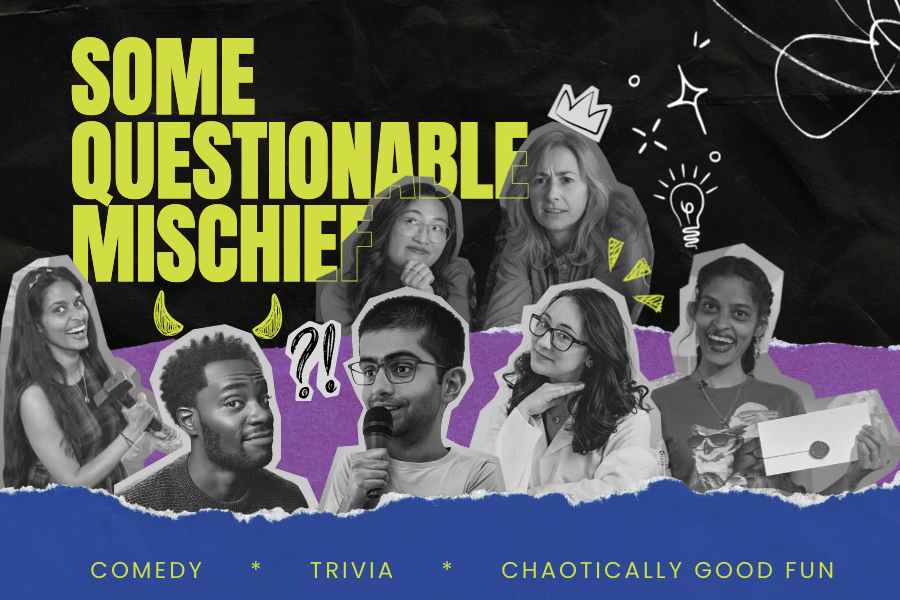
Some Questionable Mischief
7.30 - 9.30 PM | Hot Docs Ted Rogers Cinema EVENING ENTERTAINMENT
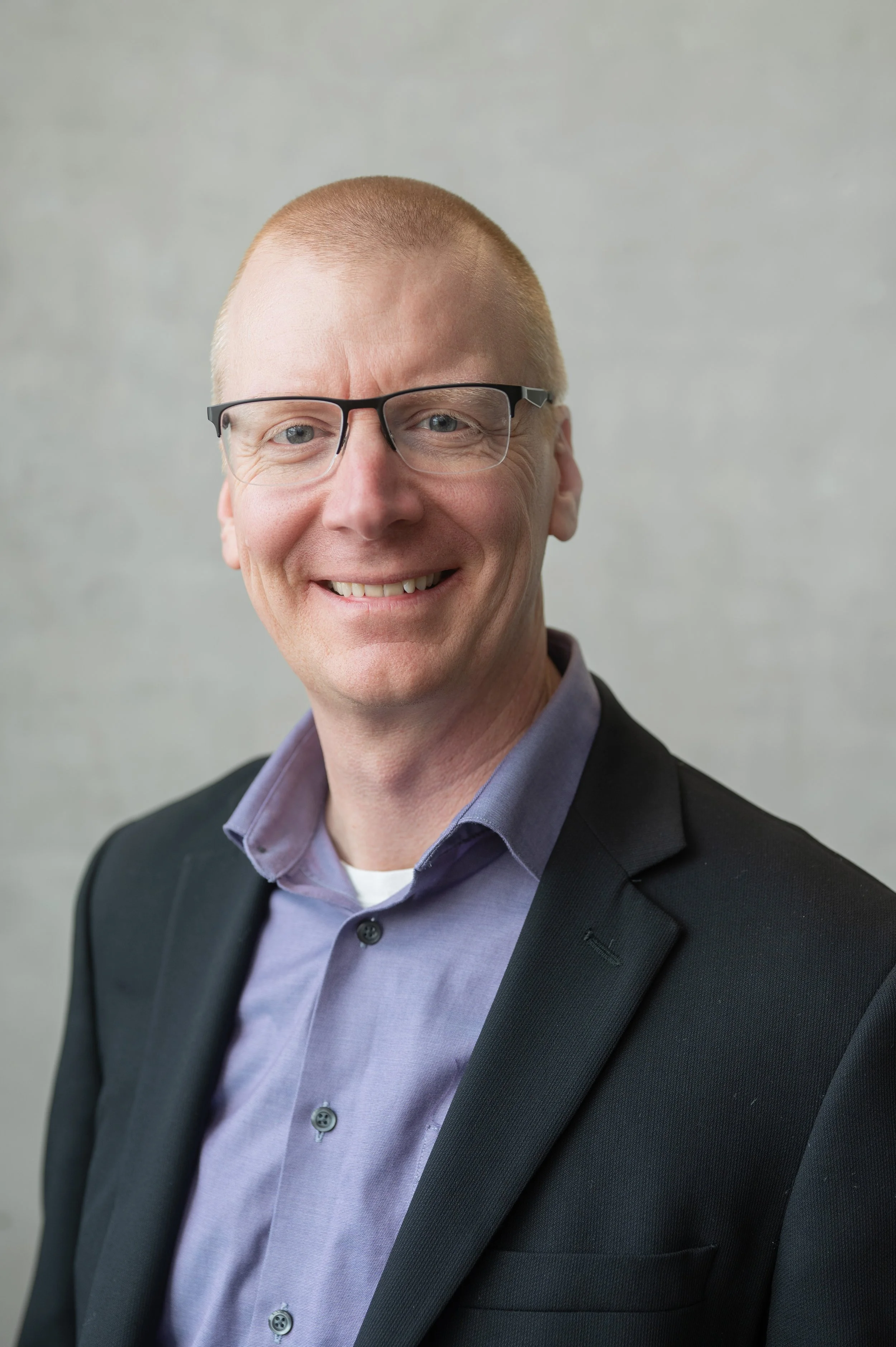
Doors open at 7.00 pm. A prime opportunity for us to put theory into practice, with a diverse group of Torontonians taking the stage in a delightful mix of comedy, trivia and a playful nod to Taskmaster. Join us for an entertaining event and great networking opportunity!