
Program Overview
9.00 am - 9.30 am
10.00 am - 12.15 pm
11.00 am - 11.15 am &
12.15 am - 1.45 pm
12.15 pm - 1.15 pm
Lunch
1.15 pm - 3.15 pm
3.15 pm - 3.30 pm
Break
3.30 pm - 4.30 pm
4.45 pm - 5.15 pm
Trust in Science
KEYNOTE
9.00 am - 9.30 am
AUDITORIUM
We are seeing an erosion in trust in science from vaccine hesitancy leading to new outbreaks of measles and the climate warnings not being treated as critical. I will discuss why I think science literacy is important for society, why trust in science is eroding and some steps we can take to restore the trust society had for science.


Concurrent Sessions
10.00 am - 12.15 pm
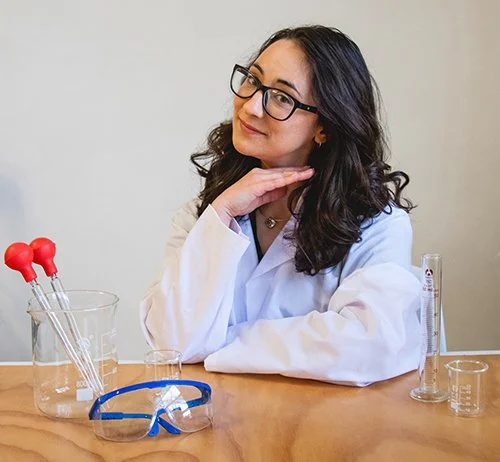
Laughter As Peer Review
WORKSHOP
How To Communicate With Humor
10.00 am - 11.00 am
AUDITORIUM
In the attention economy, it's harder than ever to keep audiences engaged, and humour is a great tool for grabbing attention back from devices and distractions. Whether you're giving a talk at a conference, engaging the public, or explaining your research to those around you, humour can be a powerful tool to communicate complex ideas. This workshop will leave participants with an understanding of the neuroscience of how humour can help us learn and remember, as well as tools and exercises that help them easily inject professional humour into presentations, media, and life in general.
TALK
Science Communication as a 'Last Mile Problem' in Research
Can Automation and AI Help?
10.00 am - 11.00 am
OAKHAM LOUNGE
Thousands of publications are produced annually by faculties, departments, labs, and research centres, yet communication of new science relies heavily on individual initiative. A fraction of published research is communicated to people who might act upon it. To address this gap, we use AI to develop a new communication tool to automate aspects of sharing new research. The approach aims to provide systematic support for both researchers and institutions, transforming the traditionally manual and administrative part of research communication into scalable infrastructure.
This presentation explores how automated research communication can function as critical digital infrastructure—establishing a systematic, universal baseline that provides knowledge mobilization and communication support for every single piece of research that is published. We'll demonstrate how AI automation enables content generation across multiple formats (newsletters, podcasts, visual media) while maintaining quality and relevance, scaling from individual labs to multi-institution consortia.
Rather than replacing human involvement in building networks, fostering relationships, and brokering knowledge, this approach aims to free up capacity for researchers and communication professionals to focus on this higher-value strategic work while ensuring that important research consistently reaches its intended audiences.
IDEAL FOR
Researchers, faculty, grad students, research administrators, science communicators, knowledge mobilizers, institutional strategic planners, AI-in-SciComm
TALK
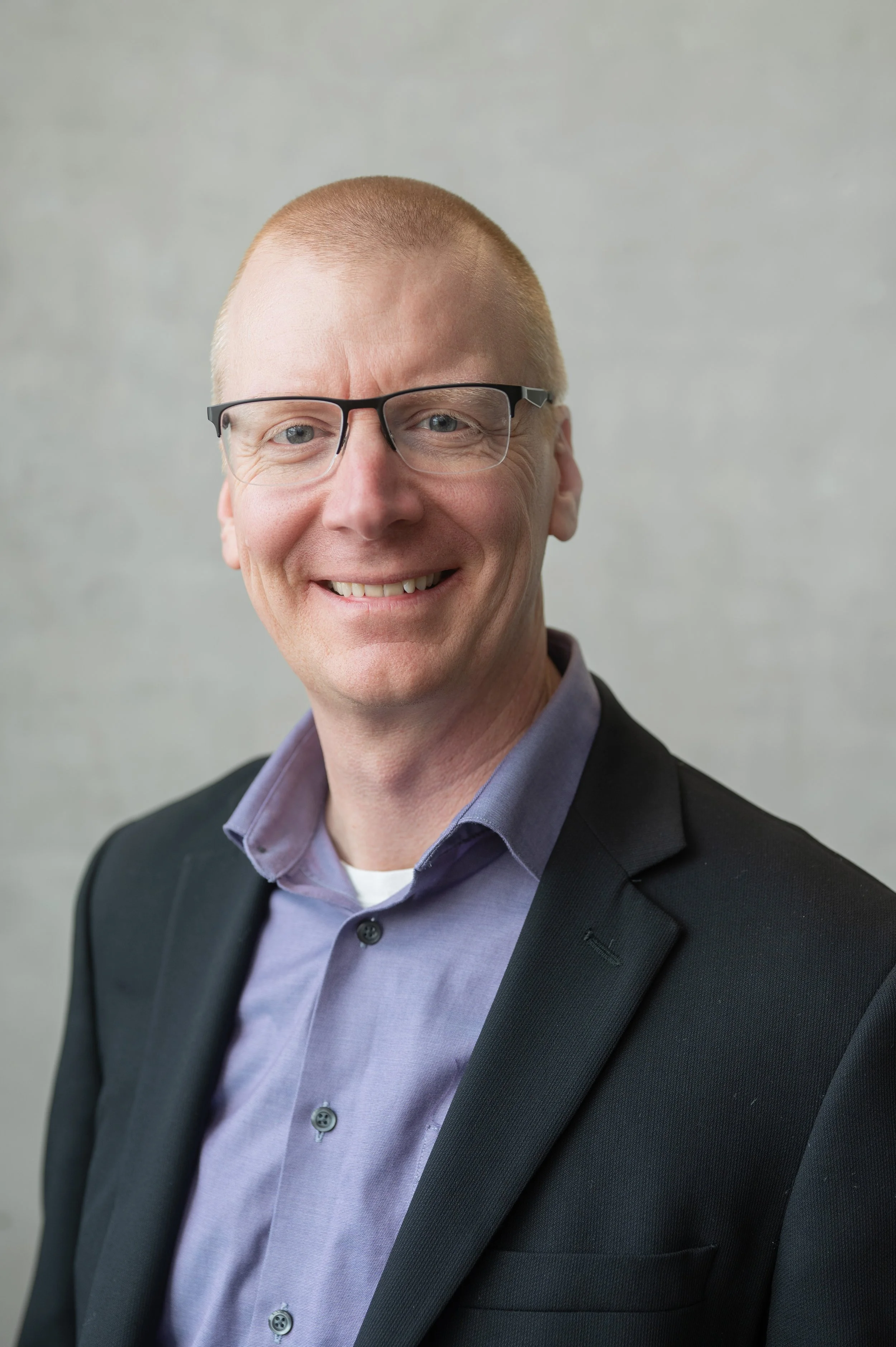
Text is Best
10.00 am - 10.30 am
THOMAS LOUNGE
"It's been really interesting to chat with you."
In a world of video calls, TikTok and virtual reality it is tempting to think that the more high tech you can be, the richer the content you can create, then the more engaging you will be.
In my world of trying to get young people to see that science is something for them, we've found that text is best. It's simple to use. Creates equality of voice, increases diversity and promotes inclusion.
We've been using text-based chats since 2003 in programmes like I'm a Scientist, Get me out of here. This session will share our learning to challenge the rich content mindset. It is about changing feedback from "Thank you for talking to us" to "It's been really interesting to chat with you."
IDEAL FOR
Scientists. Program Commissioners. Public Engagement Professionals. Educators. Science Communicators. Technologists. MSN Messenger Aficionados.
TALK
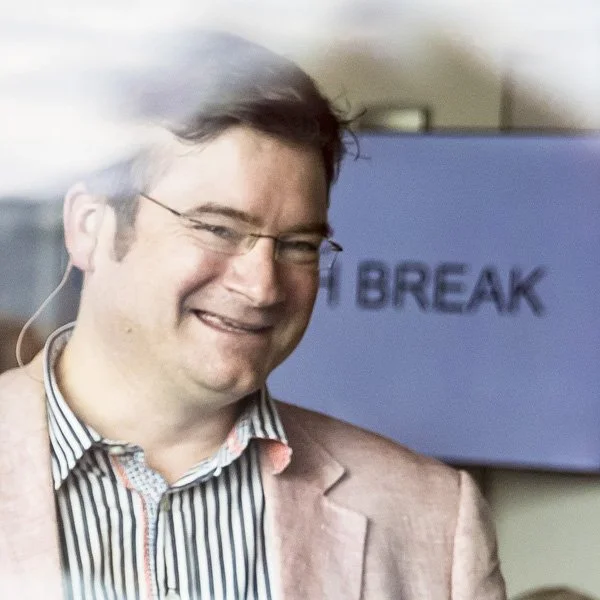
Implementing a Science Literacy Test in Local Educational Institutions
10.30 am - 11.00 am
THOMAS LOUNGE
This session will entail a deep dive into a research project currently being carried out by Science for Everyone's Research Silo. We will discuss our organization's objectives with this project, highlight the development behind our Science Literacy Test, and provide updates on the current status and data collection of the project. Further, we will address current barriers to the project's success and highlight the importance of the scope of the work pertaining to identifying current gaps in science literacy.
IDEAL FOR
This session is ideal for those interested in learning about how to assess the current state of science literacy amongst current students, graduates, and the general public overall. It will also highlight the current barriers to improving science literacy and potential efforts we can explore to combat them.

UnPoster Session
11.00 am - 11.15 am | 12.15 pm - 1.45 pm
THOMAS LOUNGE
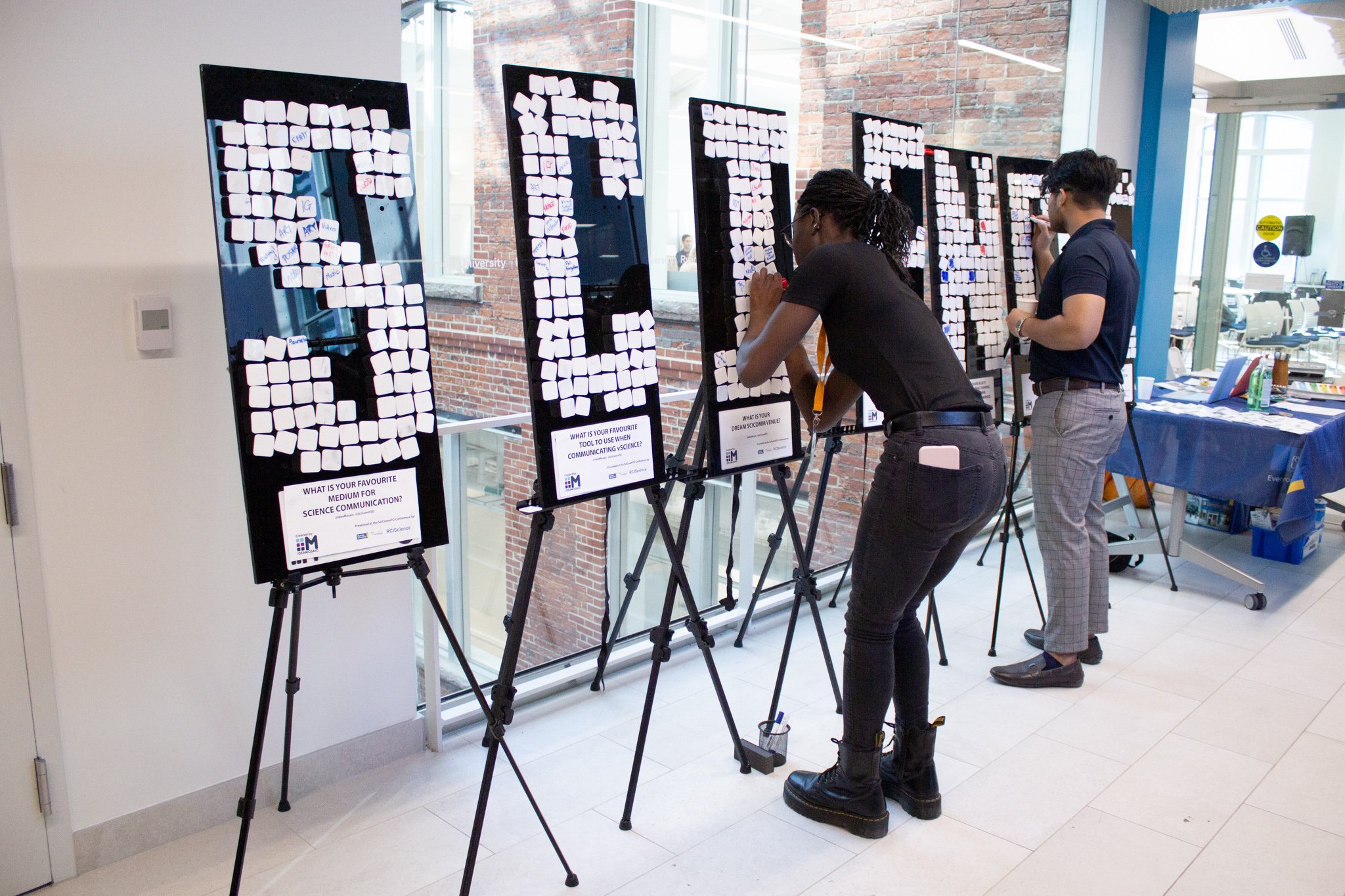
Graduate student and recent grads re:use and re:invent their posters, making it accessible and engaging for conference attendees ranging from aspiring to practising science communicators.
Science is a Drag
WORKSHOP
Live in Translation
11.15 am - 12.15 pm
AUDITORIUM
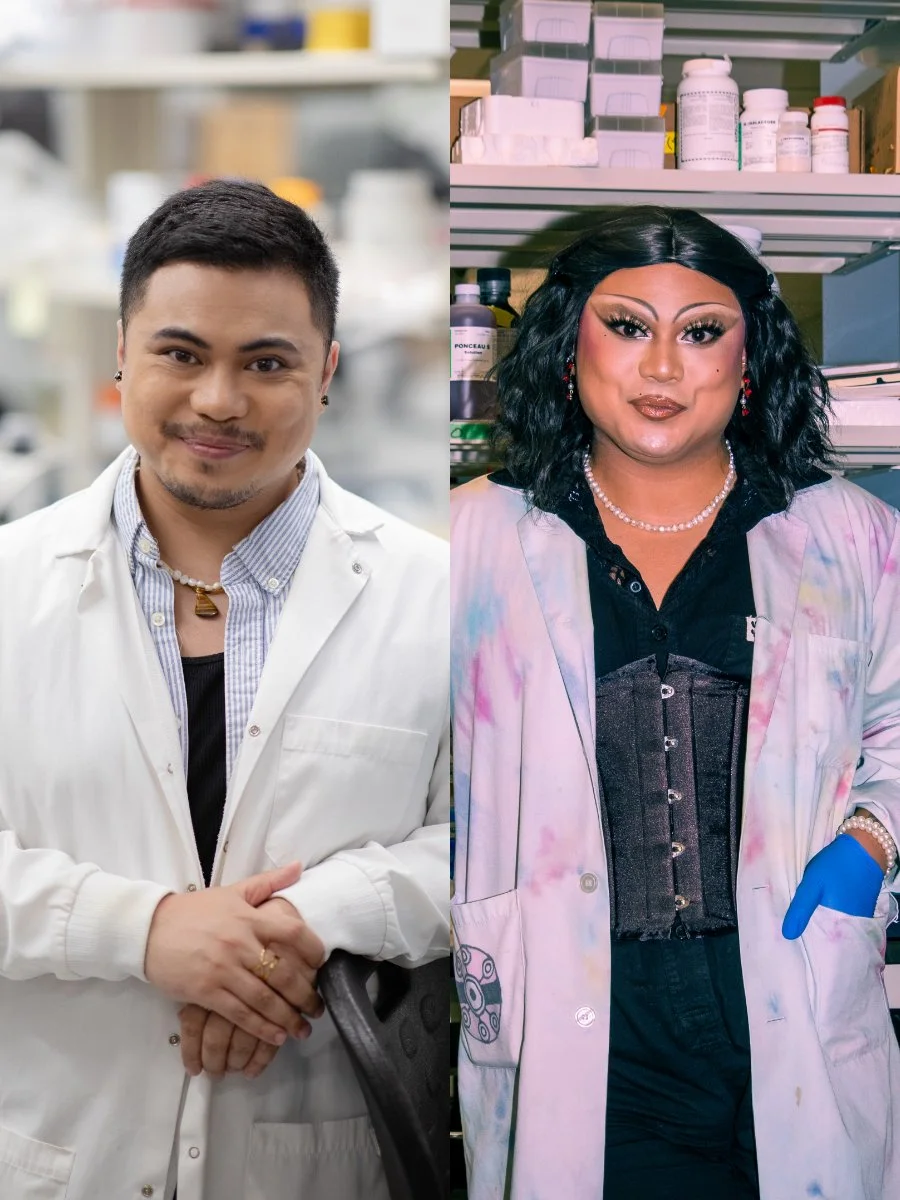
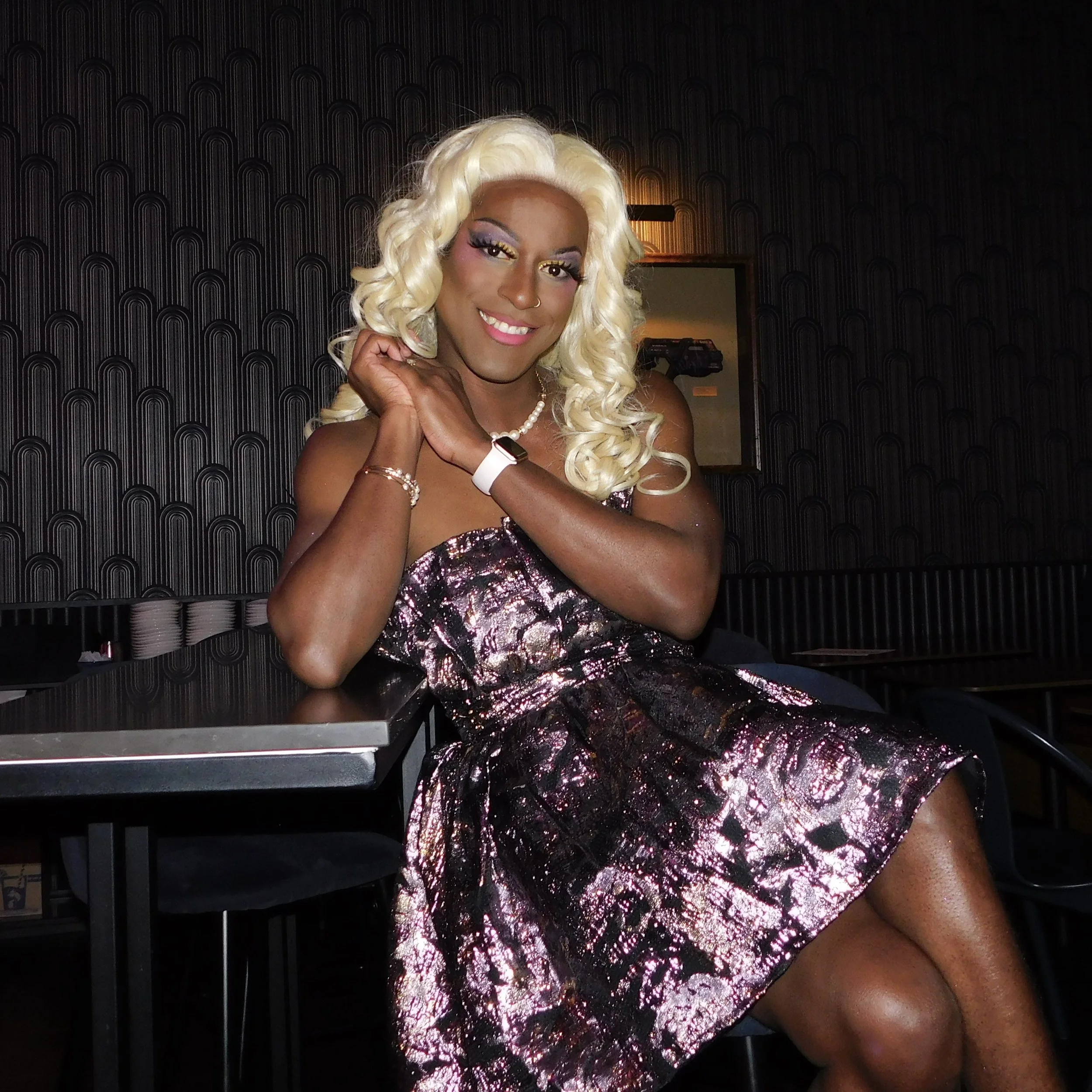
Join scientists and drag artists Kwaga Musselle and Dr. Rawbyn Diamonds for a playful, hands-on interactive workshop to inspire new creativity in your science communication. They’ll lead us through an interactive improv game of science to drag translation where they remix jargon into accessible, pop culture-driven messages live. Whether or not you want to dabble in drag for your science communication, drag has something everyone can learn from: the authenticity, sense of community, and camp-filled joy it brings to science. And of course… there WILL be a lip sync. Get ready for an unforgettable session.
PANEL
Bridging Languages and Cultures
Toward Inclusive Science Communication in Canada
11.15 am - 12.15 pm
OAKHAM LOUNGE
Imagine explaining the risks of climate change to someone who doesn’t speak English, or addressing medical misinformation in a community where English is not the language of trust. These are not hypothetical challenges, they are everyday realities around the world.
Despite more than 7,000 languages being spoken globally, science communication remains overwhelmingly English-dominated. In Canada alone, hundreds of languages are spoken at home, alongside Indigenous languages and the two official languages. Research shows that language strongly shapes comprehension, cognition, and trust, underscoring the urgent need for science communication that is both multilingual and culturally grounded.
This panel explores how science communication can move beyond translation toward approaches that embed language, culture, and community context. Panelists, working across diverse settings, will share lived experiences, challenges, and practical strategies for communicating science in diverse linguistic and cultural environments. Topics will include building trust, countering misinformation, and navigating the complexities of multilingual practice.
Attendees will gain concrete ideas and real-world examples for integrating multilingual and multicultural approaches into their own work. By broadening the linguistic and cultural reach of science, this session highlights how inclusive communication strengthens public engagement, advances equity, and ensures science is accessible, relevant, and meaningful to diverse communities.
IDEAL FOR
Science communicators of all experience levels—from newcomers to seasoned professionals—who want to make their work more inclusive and culturally relevant. The session will be particularly valuable for those from multilingual and multicultural backgrounds who are interested in using their language skills and cultural knowledge in their science communication work. Participants seeking practical strategies, real-world examples, and insights on how language and culture shape trust, engagement, and comprehension will benefit most from this interactive and applied discussion.

Navigating Generative AI
TALK
11.15 am - 12.15 pm
THOMAS LOUNGE
The presentation explores how generative artificial intelligence is reshaping science communication in Canada and the ethical challenges that accompany its growing use. It situates generative AI as a rapidly evolving tool already embedded in many communicators’ workflows, offering benefits such as increased productivity, improved accessibility, translation, and help with complex topics. At the same time, it highlights serious risks, including misinformation, bias, loss of trust, copyright concerns, environmental costs, and fears of job displacement.
Drawing on a 2025 survey of Science Writers and Communicators of Canada (SWCC) members, the talk reveals a divided community: just over half use AI tools while roughly 40% avoid them altogether. Attitudes toward AI are strongly polarized. The findings underscore a need for shared guidance rather than ad hoc individual decision‑making.
In response, SWCC developed Generative AI Ethical Guidelines grounded in five principles: responsibility, transparency, human expertise, equity and access, and continuous learning. The guidelines emphasize that AI should augment—not replace—human judgment, and that communicators remain fully accountable for accuracy and integrity. The presentation concludes by framing AI as a powerful but imperfect tool and urging science communicators to lead by modelling ethical, transparent, and trustworthy practices.
IDEAL FOR
Science journalists and communicators and anyone interested in the ethics of using Generative AI for commiunication.
Lunch
12.15 pm - 1.15 pm
Concurrent Sessions
1.15 pm - 3.15 pm
VISUAL SERIES
SciComm Field Notes
Short talks from SciComm practitioners & researchers from the field
1.15 pm - 3.15 pm
OAKHAM LOUNGE
1.15 pm - 1.45 pm | Ceci n’est pas un masque: Health-based symbolisms in health communications
René Magritte’s The Treachery of Images reminds us that representations are not the thing they depict: the depiction of a pipe is not a pipe. This provocation provides a critical entry point for examining public health campaigns that depict health-based imagery and what kind of social and political meaning they produce for the onlooker. A picture of a mask on a poster, for example, is not a mask. Instead, it functions symbolically, mediating norms of risk and responsibility to the public. This project questions how visual representations of masks in public health campaigns operate as signs that govern behaviour, collapsing the distinction between object and image to construct a normative public understanding of health. Drawing on semiotics and critical public health communications scholarship, I argue that such images translate material practices like masking into cultural scripts of health that the public is expected to act from, signalling normative health-based behaviours. In doing so, they reveal how public health communication relies on visual symbolism that blurs the line between representation and performance under the guise of collective responsibility.
IDEAL FOR
This session is ideal for practitioners, scholars, and students working in health communication, public health, and cultural studies who are interested in the politics of representation, visual persuasion, and the governance of health through communication.
1.45 pm - 2.15 pm | Viral Portraits and Aesthetic Objectivity
Brightly coloured images of disease-related microbes are all around us: in the pages of news magazines and scientific journals, science museums, hygiene product advertising, World Health Organization reports, toy stores, and more. While numerous images of the COVID-19 virus circulated during the pandemic, most commonly recognized was and is the grey and red spiked ball released by the Centers for Disease Control and Prevention. Its designers, Alissa Eckert and Dan Higgins (medical illustrators in the CDC's Graphic Services Branch) were tasked with making an image that would "grab the public's attention" – a "beauty shot" (Giaimo 2020). The resulting image blends scientific information, aesthetically motivated design choices, and public relations logics. It’s not a photograph; it’s not an electron micrograph; it’s not scientifically accurate; it’s not “true.” But as W.J.T. Mitchell (2015) reminds us, science imagery has long been “speculative” – “a multi-media, verbal-visual discourse that weaves its way between invention and discovery” (23).
The CDC’s COVID-19 ‘portrait,’ along with most contemporary virus images, are self-consciously constructed media artefacts. They compete for attention in a visual economy of science increasingly shaped by distinct aesthetic protocols and production values, as much as by concerns with scientific realism. Yet this seeming abandonment of referentiality doesn’t diminish their scientific authority. Peter Galison (2014) recognizes that credible contemporary science images are “hybrid:” “partly simulation, intervention, mimesis and analysis” (28). Reading these portraits as specific media artefacts allows us to consider, not merely what they are, but how they are (Burri and Dumit 2008). I interview artists and scientists creating viral portraits to better understand the assemblage of actors, technologies, practices, negotiations, and standards out of which these images are generated. Developing Daston and Galison’s work on shifting forms of scientific objectivity (2007), I argue that these material aspects of their construction enable viral portraits to traffic in aesthetic objectivity, a value emergent in our contemporary multimediated visual economy of science.
2.15 pm - 3.00 pm | From Discovery to Divides: 55 Years of Science on Magazine Covers
Over the past half-century, public engagement with science has evolved alongside broader social, political, and media changes. Magazine covers from Time, Maclean’s, and The Atlantic may serve as a cultural lens through which we can examine what captured public attention, and concern, across time, as well as also reflecting how science itself was viewed in the public. Across decades, science appears as a site of discovery, a driver of innovation, and at times, a tool for persuasion and consumption.
IDEAL FOR
Anyone interested in a historical view, connections to media, polarization
FIRESIDE CHAT
RE:Creating Accessible Spaces for Science Identities (and Finding Our Own)
1.15 pm - 2.15 pm
AUDITORIUM
This session explores narratives of “who gets to call themselves a scientist” and “what can science look like”. Through a lens of equity, inclusion, and accessibility, this fireside chat will explore how we as science communicators form science identities and spaces, and how we can support others in doing the same. Presenters will explore their own experiences with science communication through The Disabled CoLab and SCI AIDE, adding personal perspectives to conversations on narrative, science identity, accessible science communication, and inclusive science community building. We invite attendees to add their own thoughts as we all grapple with questions of “what can science look like?”, “who can be a scientist?”, “how do we engage people in ‘good science’?”, and “what does it mean to combat imposter syndrome?”.
IDEAL FOR
This session is ideal for those exploring their own science identity and/or imposter syndrome, those questioning how we build inclusive and accessible science communication fields, and science communicators or outreach educators who promote STEM role models and narratives.

TALK
Science Communication in the Digital Era
How To Make Effective Digital Documentaries
1.45 pm - 2.15 pm
THOMAS LOUNGE
This session is a deep dive in the creative and production processes of digital documentary series. It covers all the elements of creating a successful nature documentary for Youtube with insights into the ideation, research, writing, editing, and publishing processes of a video. It also explains the economics of the digital world and the implications for people looking for careers in digital science communication.
Each aspect of the creation process is examined in depth and lessons from seven years of running a channel with over 2 million subscribers are shared.
What to do, what not to do, and how to stand out in a crowded space.
At the end people will have a deep understanding of the requirements and paths to careers in digital wildlife documentary filmmaking.
IDEAL FOR
People interested in careers in digital media and documentary production.
WORKSHOP
From Data to Decision
Communicating Health Policy for Change
2.15 pm - 3.15 pm
THOMAS LOUNGE
Health policy shapes society's vision, priorities, and actions toward changes that impact health outcomes and health equity for all. It is crucial that members of society engage in sharing their perspectives and priorities to help shape health policy to meet the goal of an accessible, sustainable, and resilient healthcare system that addresses the needs of its patients and their families. This workshop challenges participants to participate in the conversation and engage in translating research into policy. Workshop objectives include fostering an understanding of the role of science communication in shaping health policy, equipping participants with the tools to communicate complex concepts to both public and policymakers, and engaging participants in discussion about building credibility and sustainability in the process. This workshop is highly interactive, with activities to explore each objective and a final participant mural to illustrate the health policy concepts that ignite the passion of our participants.
IDEAL FOR
Anyone interested in driving change in the health landscape through policy!
WORKSHOP
Night of the Living Facts
Reanimating Science Communication Through the Horror Film
2.15 pm - 2.45 pm
AUDITORIUM
This is an interactive seminar that introduces participants to genre-based storytelling - particularly horror - as an innovative tool for science communication. Rather than a hands-on production workshop, this seminar offers a concise, high-impact exploration of how cinematic conventions such as suspense, metaphor, and embodied affect can be strategically repurposed to communicate complex scientific and medical ideas in ways that are more memorable, emotionally resonant, and resistant to dismissal in an era of widespread misinformation.
IDEAL FOR
Academics, scientific researchers, science communicators, artists, educators, and media practitioners interested in innovative ways of sharing scientific knowledge. It is also designed to be accessible to the general public, welcoming anyone curious about how film, storytelling, and popular culture shape what we believe about science and medicine.
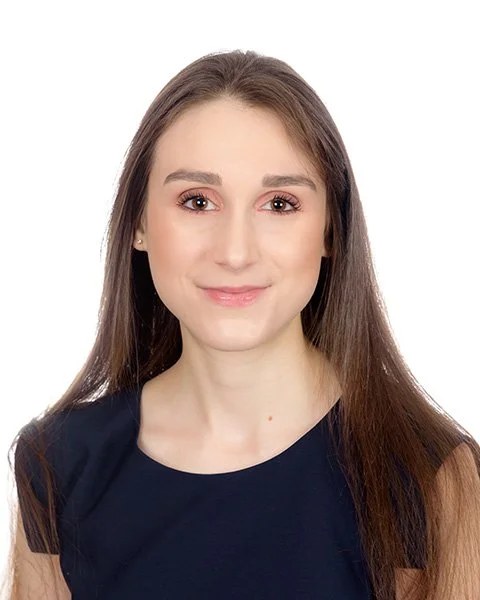
STORYTELLING PERFORMANCE
Void of Voids
2.45 pm - 3.15 pm
AUDITORIUM
Void of Voids is a science communication project that weaves together cosmology and human experience through the medium of visual storytelling. Using illustrated narratives, the project introduces audiences to one of the most mysterious structures in the universe—cosmic voids, while also drawing parallels to the displacement, absence, and resilience experienced by at-risk and exiled scholars.
This session will present the project as a live storytelling performance accompanied by visuals from the graphic narrative. It will invite the audience to reflect on how art and science together can illuminate both the vast emptiness of the cosmos and the deeply human struggles of those scientists forced into exile. The goal is to demonstrate how creative science communication can make complex astrophysical ideas accessible while also serving as a vehicle for empathy and advocacy.
Bio Break
3.15 pm - 3.30 pm
Concurrent Sessions
3.30 pm - 4.30 pm
WORKSHOP & LIVE MUSIC
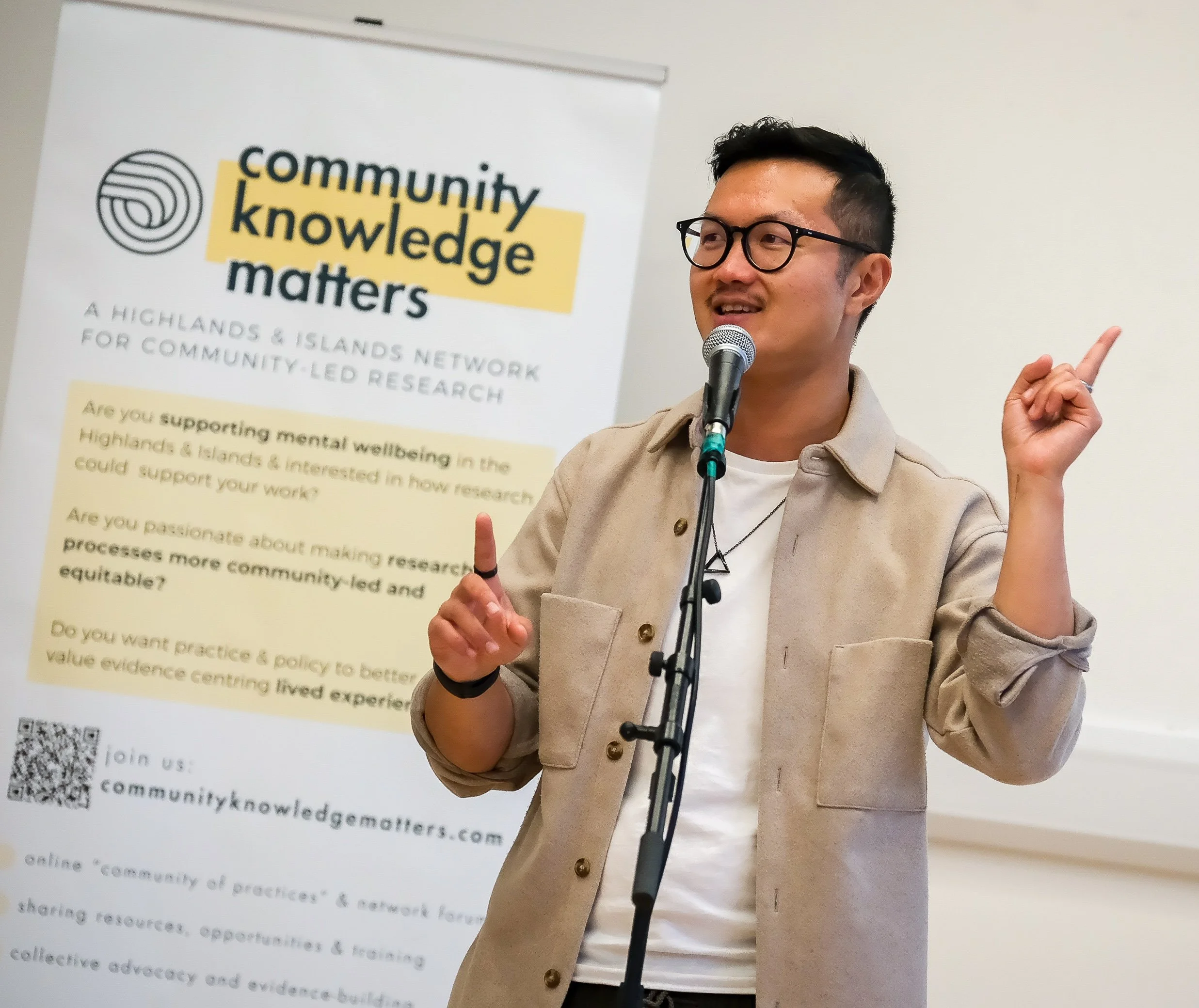
Re:Building Knowledge Democracy
From culture to systems change
3.30 pm - 4.30 pm
AUDITORIUM
How can we support the full spectrum of community engagement with research? From reaching and building trust with marginalised groups through cultural-rooted approaches, to supporting communities to lead their own participatory and creative research to enable democratic knowledge making.
This talk and workshop will share case-studies, ongoing research and practical ideas drawing from the work of Science Ceilidh, an intermediary organisation supporting cultural and knowledge democracy across Scotland.
Director Lewis Hou will be sharing learnings from recent work including exploring research through Scottish traditional music and dance, leading an action research programme exploring how STEM can support wellbeing in youthwork, and the impacts of funding community-led research directly around mental wellbeing and climate change both locally as well on a wider rural research and health systems with the Community Knowledge Matters network.
The session will include a “hands-on” interactive component with live music (participation encouraged but not required!) and time to reflect and discuss together how to contextualise and build connections between this work in the Canadian context.
IDEAL FOR
Practitioners interested in science-cultural collaborations, inclusive and participatory practices, community-led research and those interested in systems change around funding and knowledge making.
WORKSHOP
Popcorn Pedagogy
Cinematic Roleplay for Scientific Discourse
3.30 pm - 4.30 pm
OAKHAM LOUNGE
Science communication aims not only to share knowledge but also to foster critical dialogue and collaboration among diverse stakeholders in addressing today’s scientific and societal challenges.
While popular culture, particularly science fiction, are often used to facilitate the introduction of scientific concepts, they also have the potential to offer an accessible entry point for discussing complex issues in STEMM, enhancing learners' ability to communicate effectively in scientific discourse.
This interactive workshop demonstrates how cinematic roleplay can be used as an engagement strategy in school and outreach settings. It introduces an immersive educational initiative that uses the Avatar films as emotionally resonant contexts for exploring scientific issues around environmental justice — an essential, interdisciplinary lens within environmental education.
The session offers participants the opportunity to experience this novel approach firsthand, reflect on its effectiveness, and explore ways to adapt it for their own audiences, leaving them with practical strategies for applying pop pedagogical frameworks to science communication.
IDEAL FOR
Science communicators, educators, and outreach professionals interested in using popular culture to engage learners, foster scientific discourse, and explore interdisciplinary environmental education.
PERFORMANCE
Gaia's Riddle
Fostering Shared Solar Imaginaries Through Modified Minecraft
3.30 pm - 4.00 pm
THOMAS LOUNGE
How do personal computing and online gaming in particular contribute to the global carbon footprint? Conversely, can popular, modifiable ("moddable") sandbox games play a role in fostering shared imaginaries for alternative energy use?
This session — a collaborative talk by our research team with footage from our server — describes recent findings from our use of our custom-built Gaia's Riddle modpack on the SunBlock One solar Minecraft server. Housed in the Milieux Institute at Concordia University, SunBlock One is an ecomodding project that simultaneously addresses the two aforementioned questions in energy transition research. Gaia’s Riddle is an SMP (survival multiplayer) Minecraft experience and a Minecraft Forge 1.20.1 modpack about living (and playing) collectively in a world destabilized by climate change. Gaia’s Riddle weaves some of the best Minecraft community mods, original narrative design and an integrated solar powered server to create a unique and unforgettable SMP experience, which first took place over 10 weeks in spring 2025. The question Gaia's Riddle poses is not how to save the world but how to live differently in it … together.
TALK
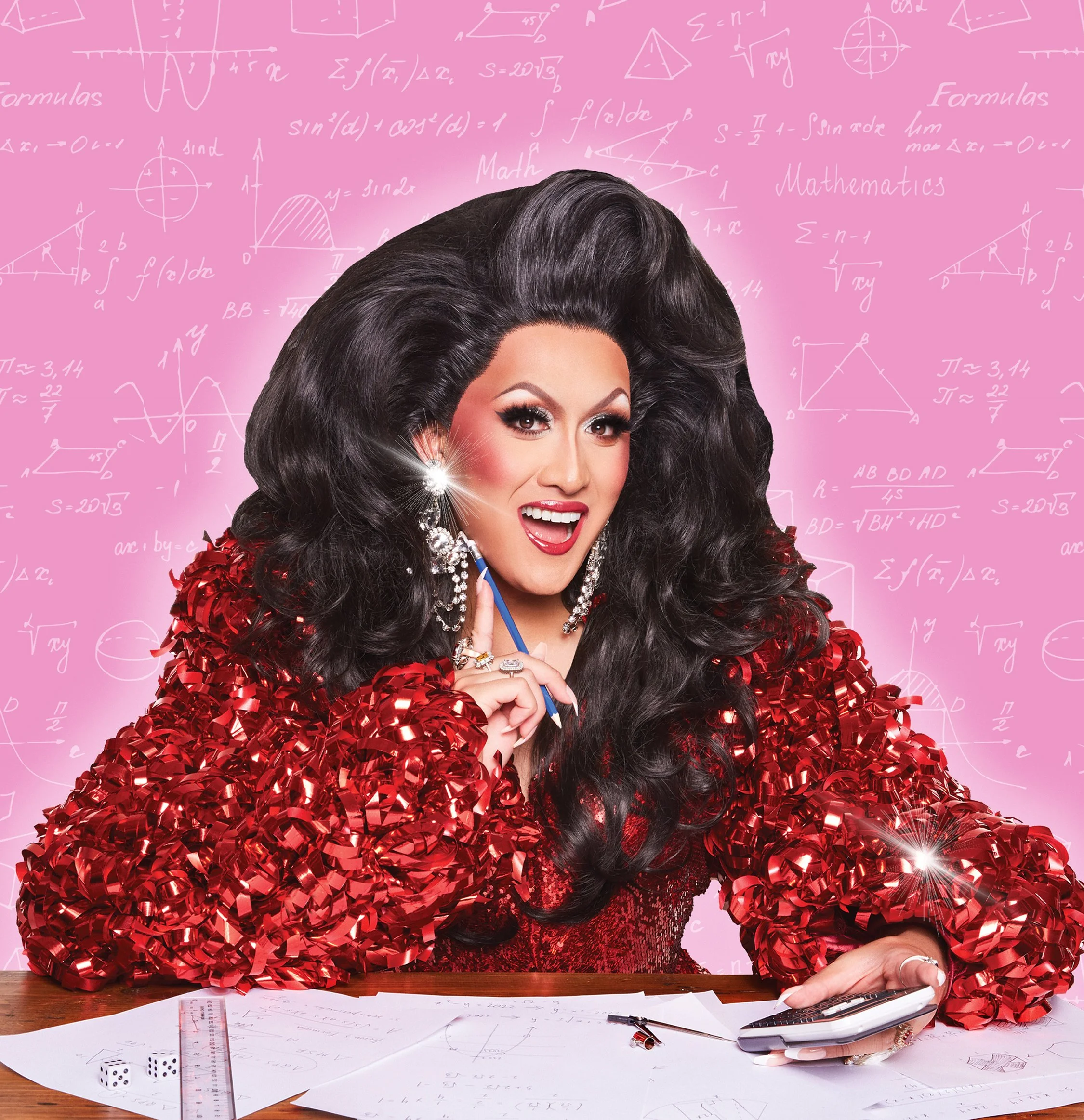
Math In Drag
4.00 pm - 4.30 pm
THOMAS LOUNGE
What if your math teacher was a drag queen? In this session, Kyne shares her insights on teaching math to a social media audience of over 2 million people. She shares her viral video ideas that make math fun, and how to incorporate equity, diversity and inclusion into a math curriculum.